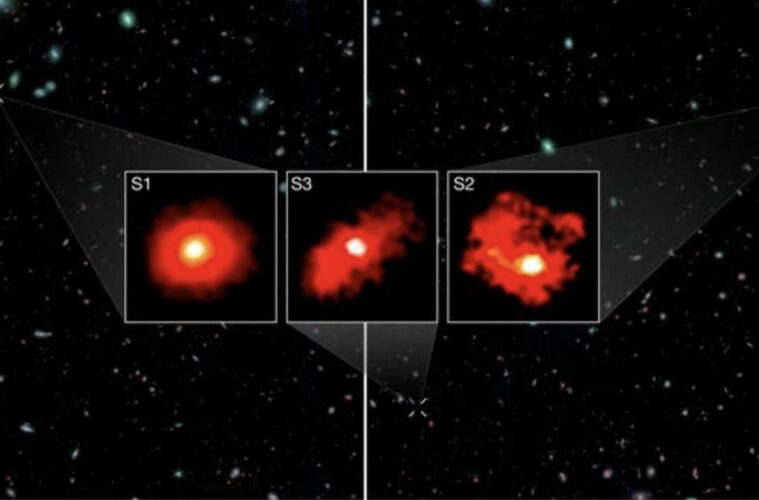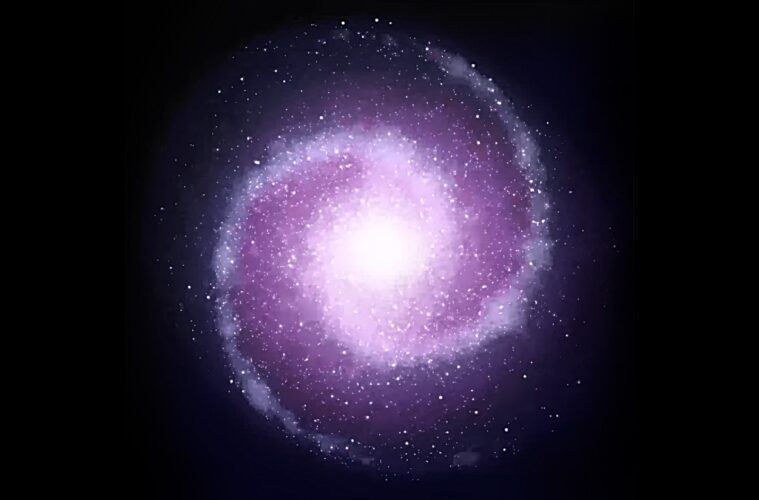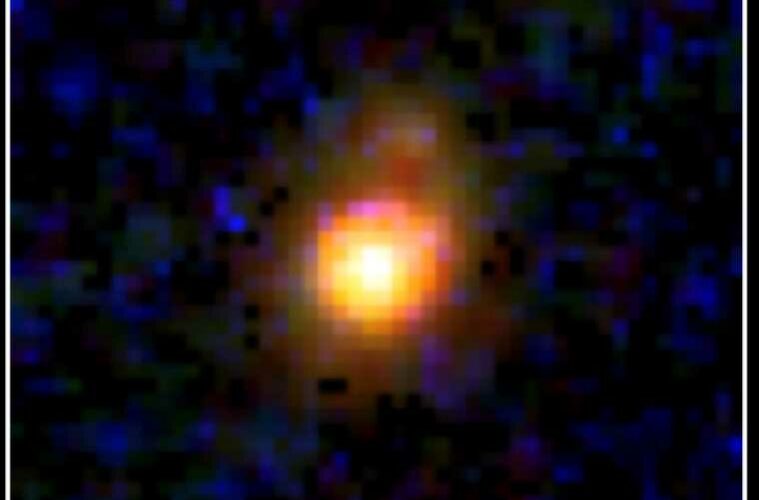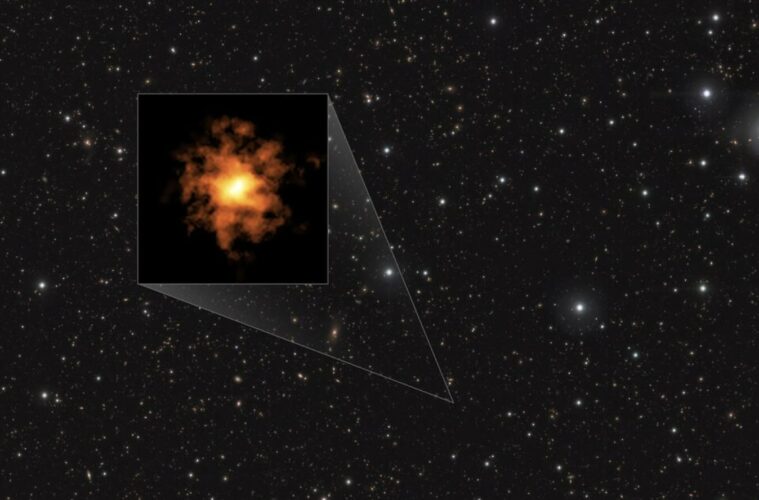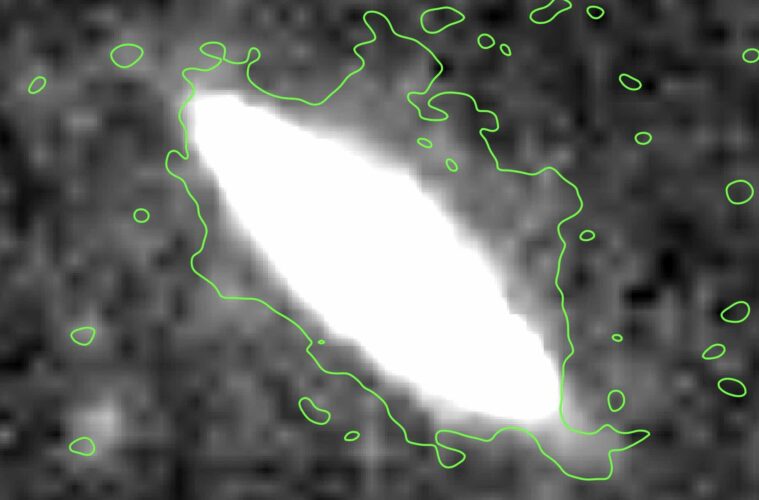
Astronomers have observed a hyper-luminous infrared galaxy (HyLIRG) displaying a highly organized rotation, which is revealed in new observations as it would have appeared close to 10 billion years ago.
Scientists have proposed a novel method of potentially detecting dark matter: by using a 3D-printed vacuum system to “trap” it with ultra-cold lithium atoms.
NASA’s James Webb Space Telescope has captured striking new images of the Serpens Nebula, revealing a rare alignment of stellar jets that offers new insights into how stars form.
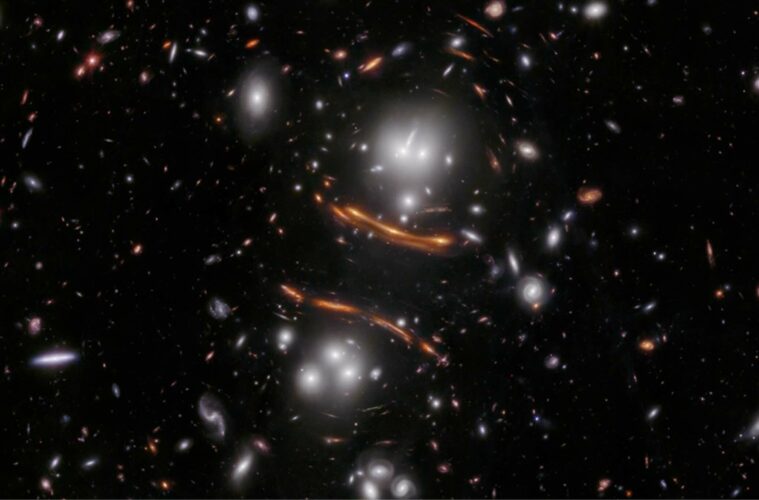
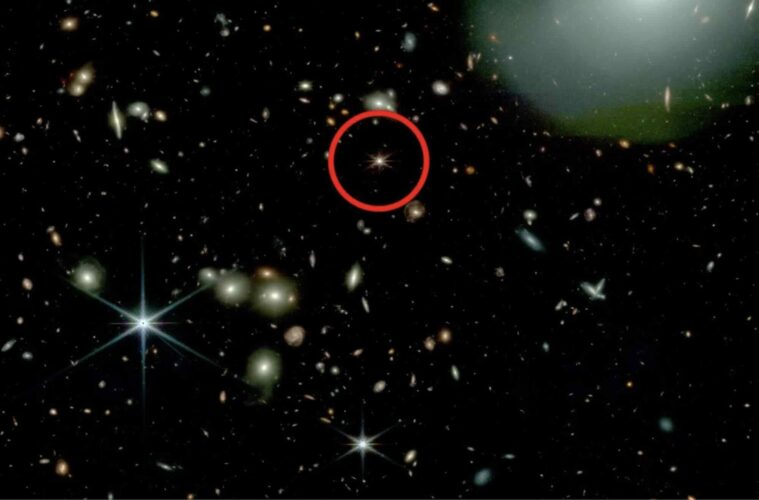
Astronomers have discovered a pair of extremely distant celestial objects with help from NASA’s James Webb Space Telescope (JWST), one of which is believed to be the earliest known galaxy detected.
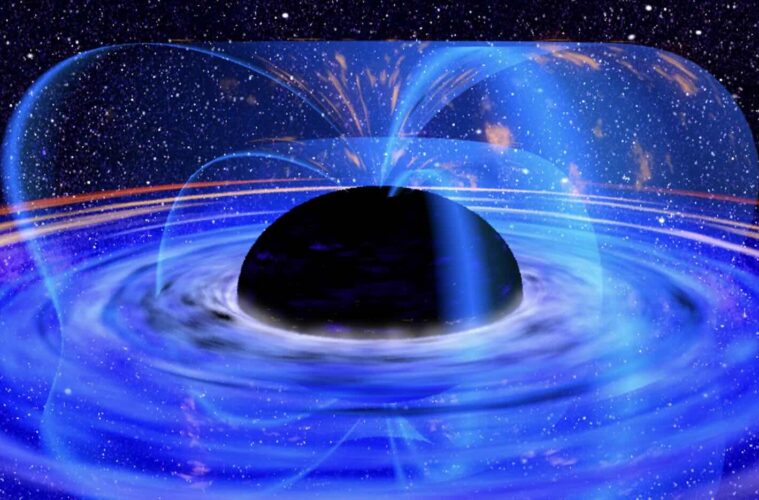
New research suggests that black hole mergers may produce smaller black hole “morsels” that could help astronomers detect Hawking radiation using current telescopes.
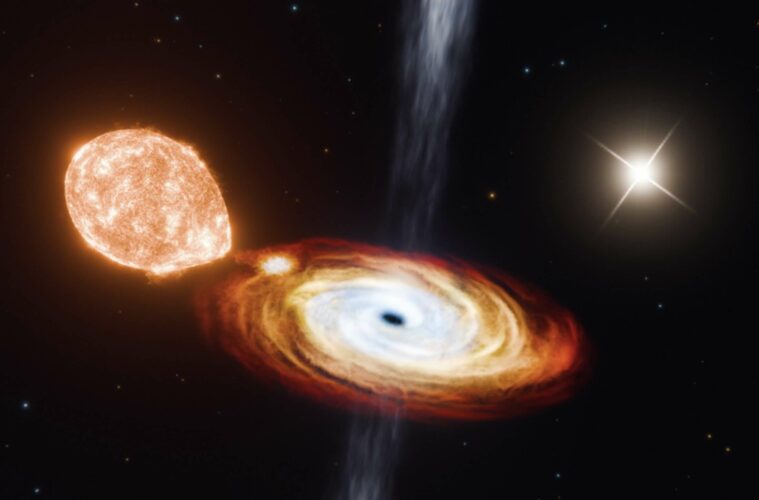
An unusual celestial object recently discovered by astronomers has been revealed to be a bursting accreting millisecond X-ray pulsar, according to newly published research.
New findings made possible by NASA’s James Webb Space Telescope reveal how galaxies that formed early in the universe appear to have developed more quickly than past models suggested.