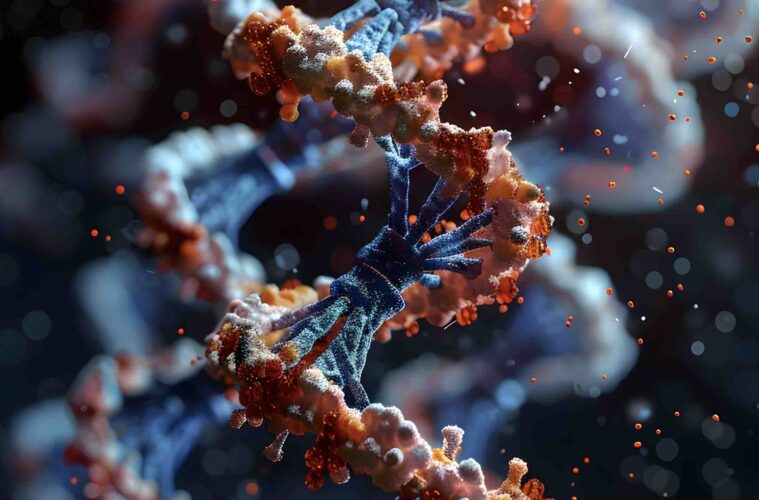
A recent groundbreaking NASA study has revealed a significant discovery about the protein configurations that may give rise to life, challenging existing scientific assumptions.
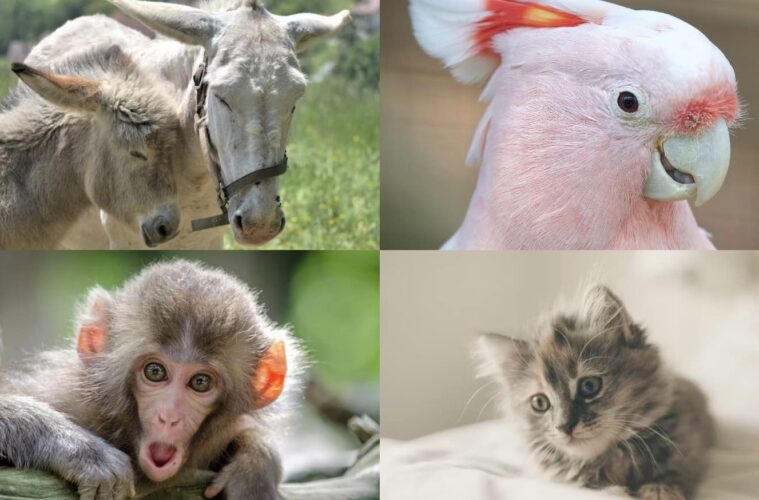
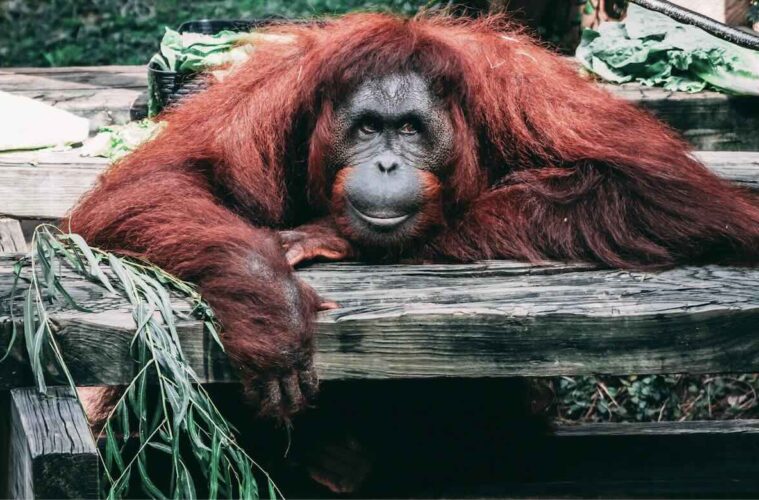
A new survey published in Royal Society Open Science is offering a rare snapshot into current scientific thinking about the emotions and consciousness of animals.
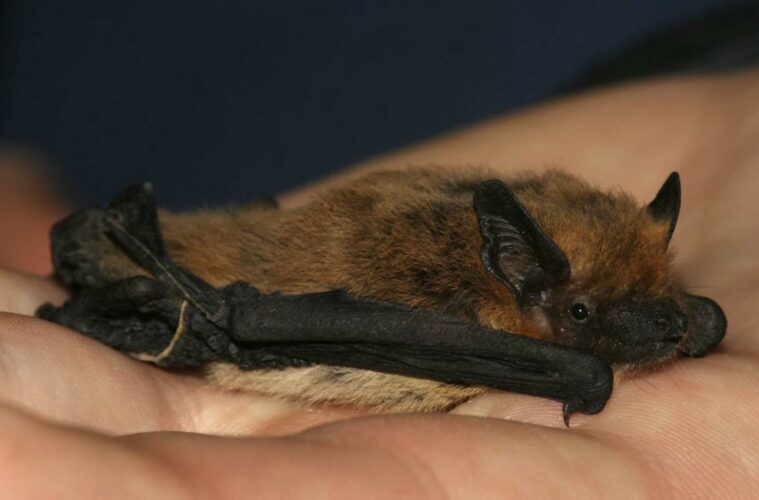
New research reveals bats' echolocation maps are far more expansive than previously thought, allowing them to navigate journeys spanning several kilometers.
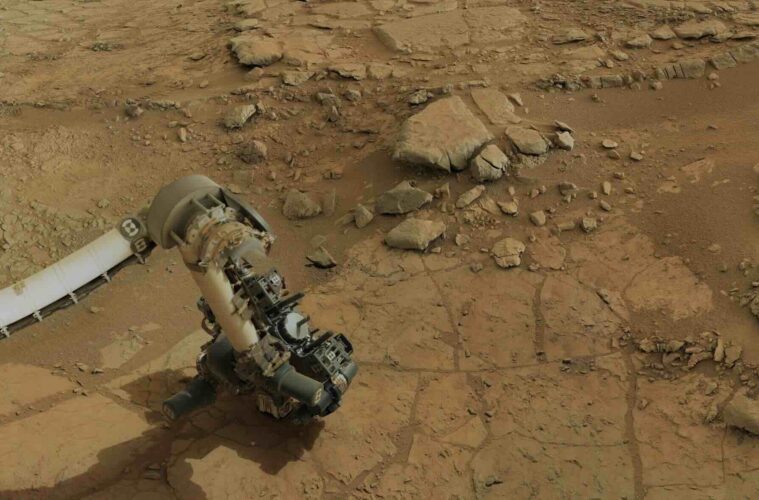
Scientists have discovered that exposed ice on Mars could create conditions suitable for photosynthesis, allowing microbial life to potentially thrive.
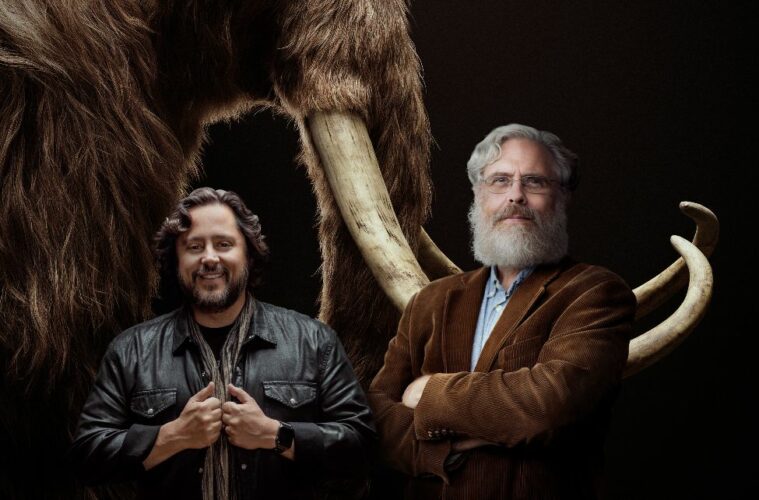
Deextinction company Colossal Biosciences has announced the establishment of the Colossal Foundation, a new nonprofit aimed at applying cutting-edge science.
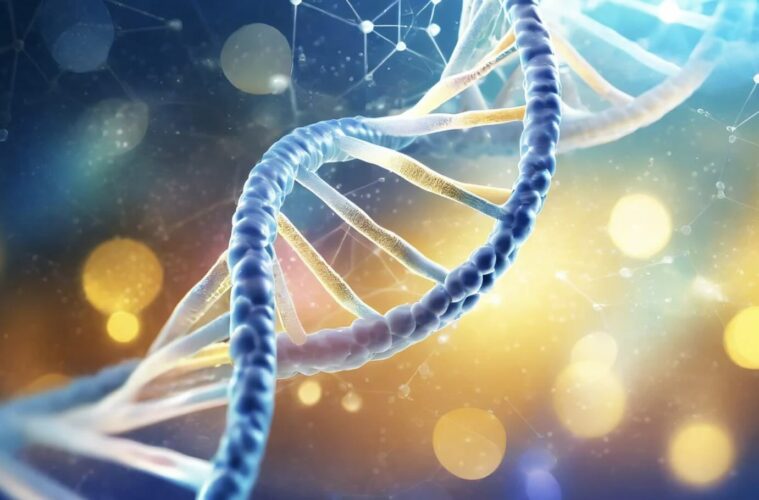
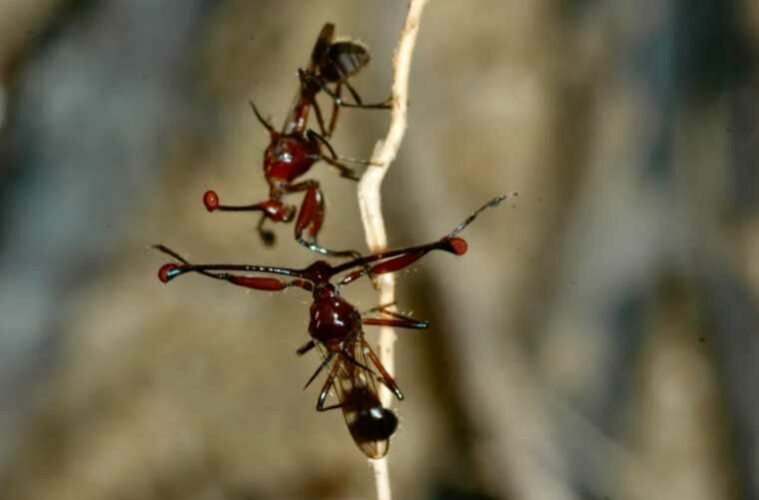
A long-held theory involving the quickened pace of evolution over short time frames could be explained by an “anomaly” revealed by researchers in a new study.
Neuralink, Elon Musk’s brain-computer interface (BCI) company, has received the FDA's “breakthrough device” designation for its innovative 'Blindsight' implant.
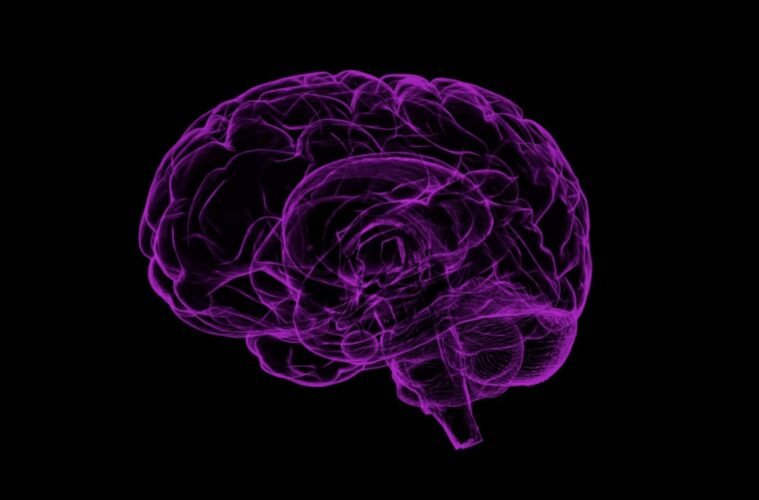
In a recent study, researchers at Aalto University used Functional Magnetic Resonance Imaging (fMRI) to explore how different types of love activate the brain.
Close to half of the AI devices authorized for use by the U.S. Food and Drug Administration (FDA) are trained without using clinical data from actual patients, according to new findings by an international team of researchers.
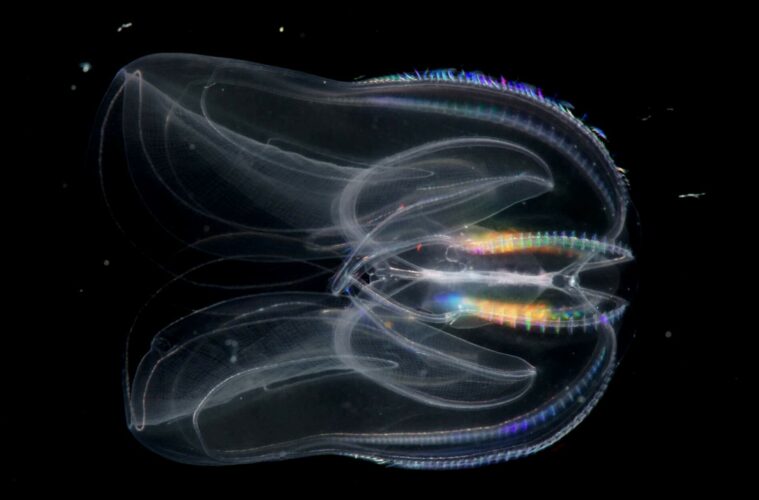
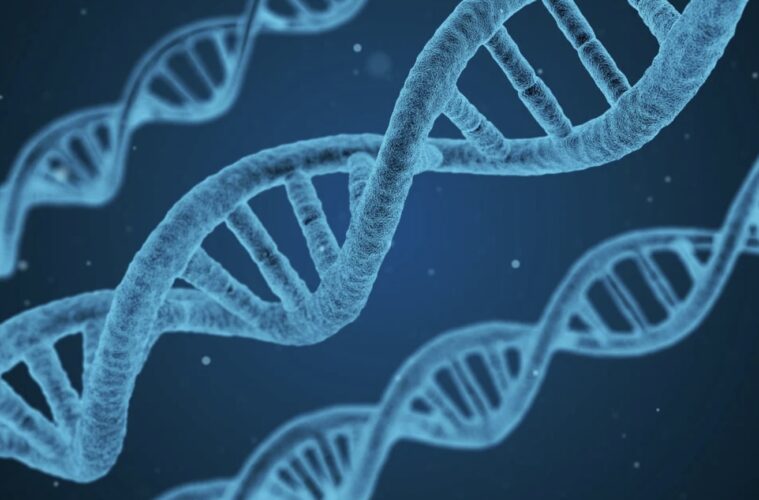
Evidence of genetic behavior in organisms that researchers liken to “alien biology” has reportedly left them in “disbelief” and suggests similar strange genes may even exist in humans.