A small group of agents within the Federal Bureau of Investigation (FBI) following up on reports of unidentified anomalous phenomena (UAP) are now facing a more immediate concern: job uncertainty.
Elon Musk's Neuralink celebrates the anniversary of its first human implant as it moves toward the beginning of its brain-chip trials expanding to Miami.
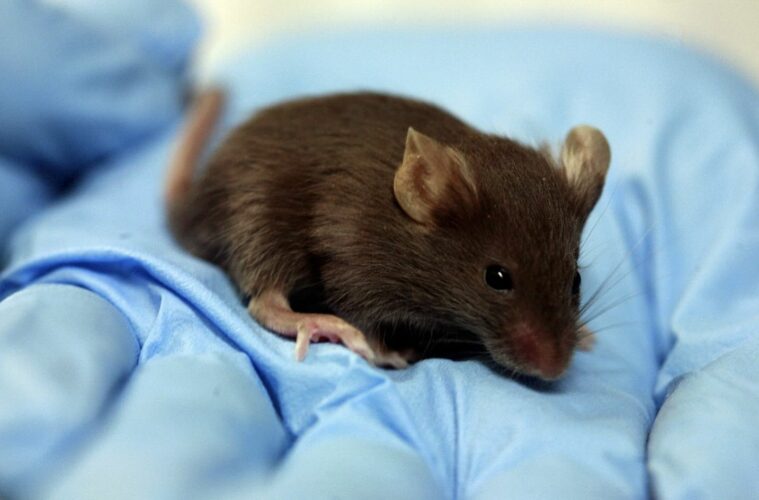
Using cutting-edge stem cell technology, a team of scientists from the Chinese Academy of Sciences (CAS) recently created a mouse with two biological Scientists from the Chinese Academy of Sciences (CAS) have successfully created a mouse with two fathers..
Mysterious orbs of light seen for many decades by residents near Summerville, South Carolina, could finally have an explanation, linking the unusual observations to seismic phenomena.
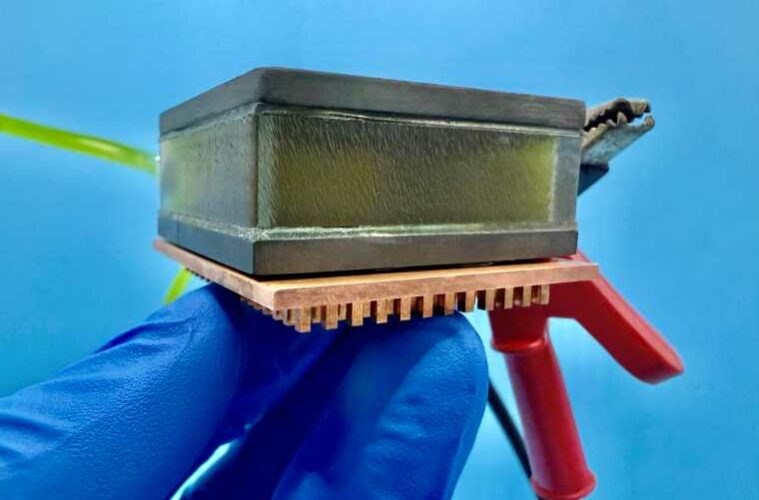
A new stretchable organic solar cell may offer the efficient power source needed for the next generation of wearable devices, according to a team of international researchers.
New research has revealed that public trust in science is on the rise internationally, along with concerns about the focus of industries and research science is prioritizing.
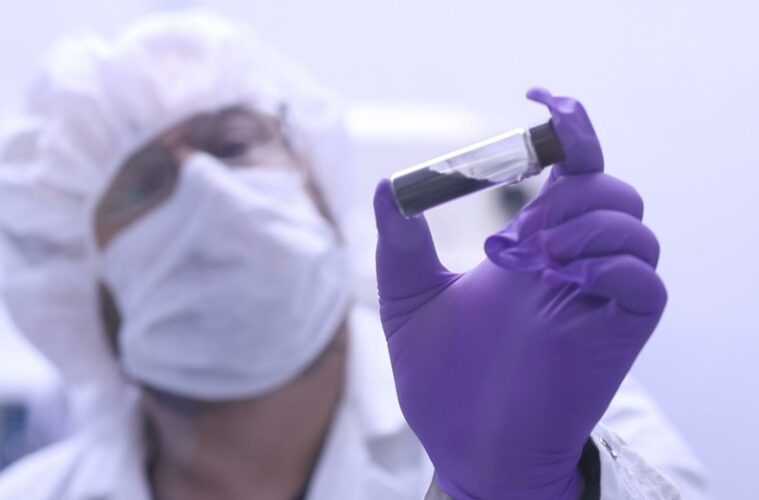
Scientists from the Massachusetts Institute of Technology (MIT) have discovered a way to produce ammonia—a key ingredient in fertilizers—by harnessing the Earth’s own heat and chemical reactions.
Officials and first responders employed a new helicopter and cutting-edge software to help ensure public safety during today's Inauguration Day ceremony.