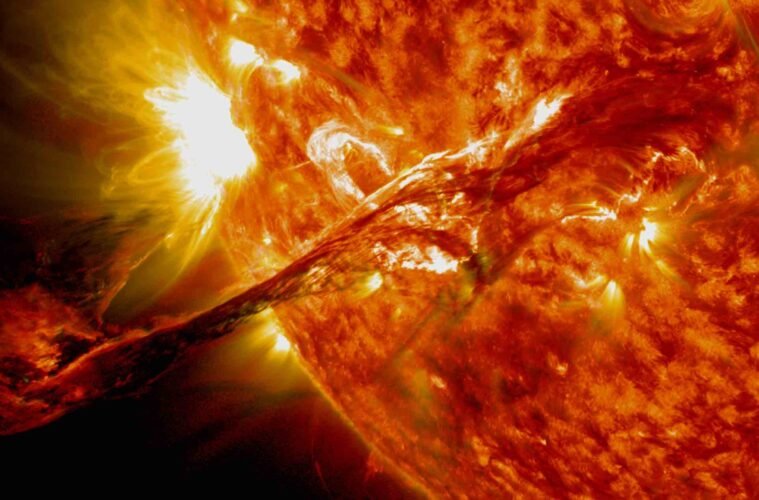
The Sun has entered its solar maximum, according to experts who are looking ahead at the possibility of potentially volatile space weather in the near future.
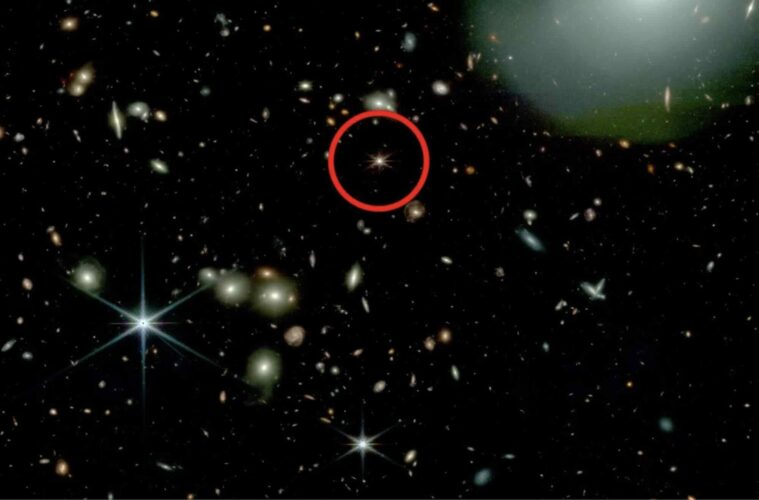
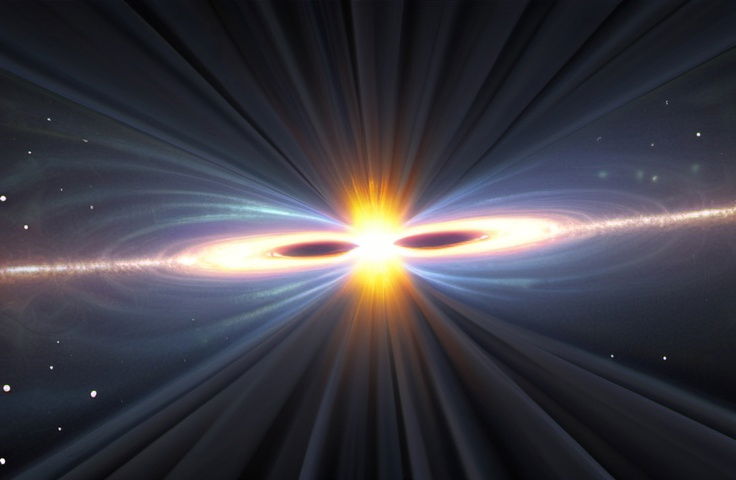
New observations of drifting quasars from the early universe are challenging our understanding of how these extremely luminous objects could have formed.
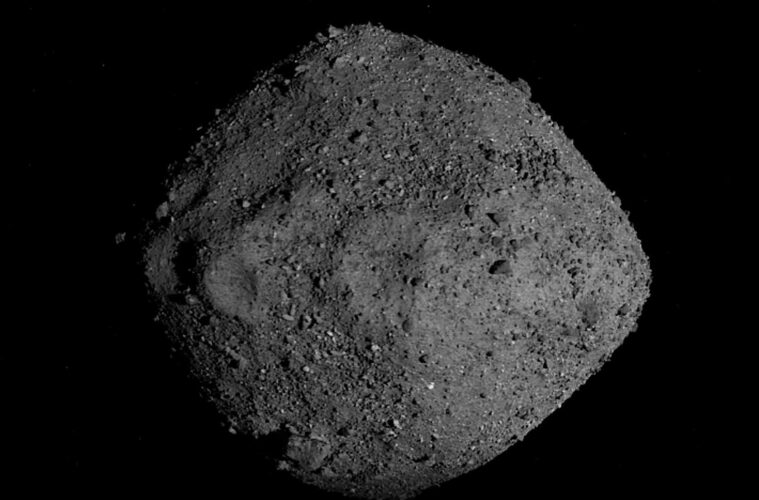
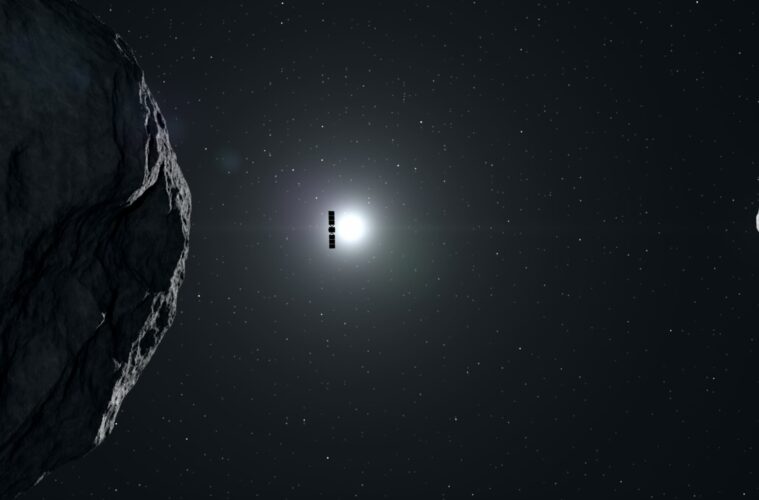
Scientists may have isolated a long sought ‘fifth force’ in physics with the help of data collected by NASA's OSIRIS-REx mission from the mysterious "trickster" asteroid Bennu.
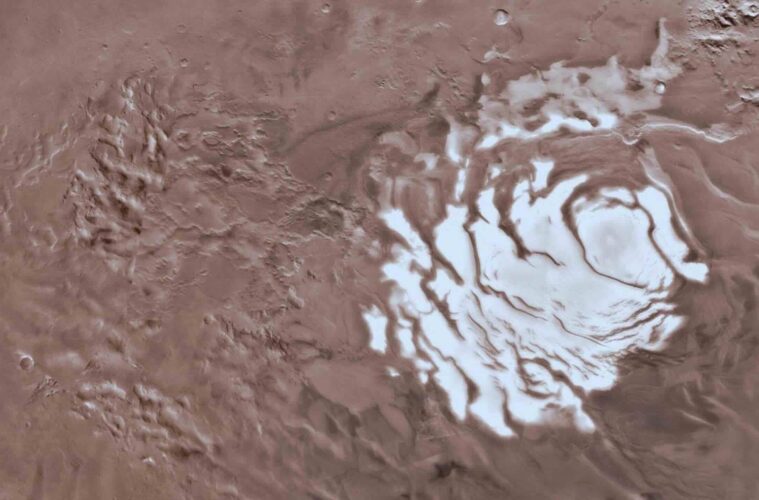
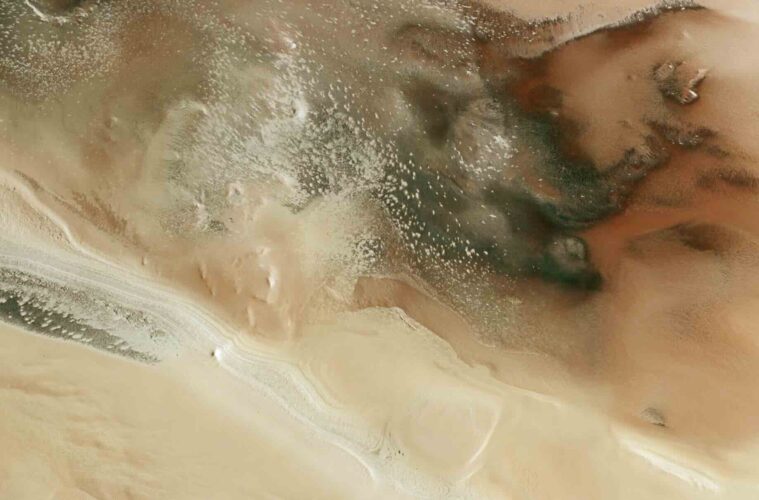
Scientists have discovered that exposed ice on Mars could create conditions suitable for photosynthesis, allowing microbial life to potentially thrive.
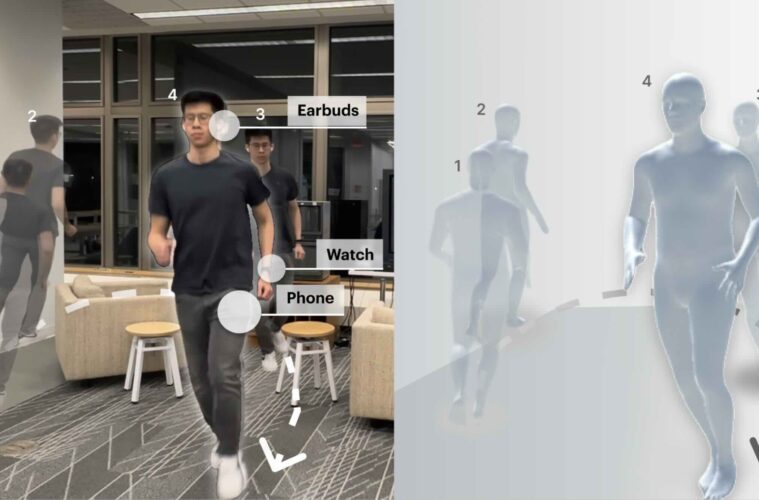
Chinese researchers have uncovered a significant vulnerability in relying on AI models powered by Deep Neural Networks (DNN) for remote sensing applications.
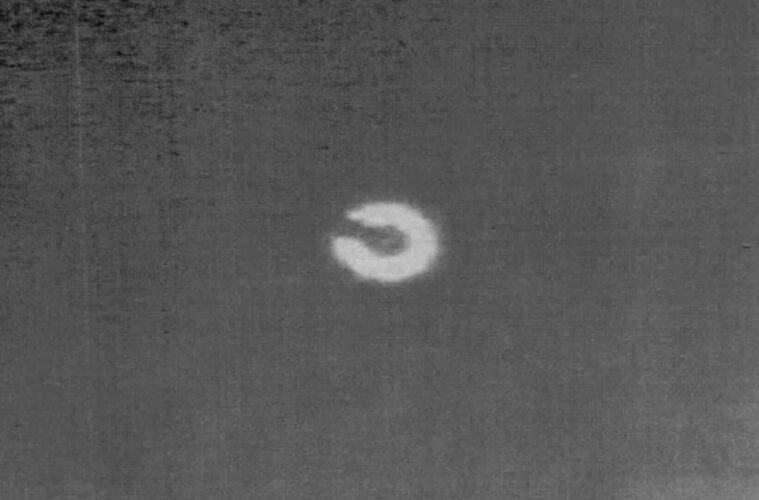
Canadian lawmaker Larry Maguire calls for increased transparency and investigations into UAPs following a February 2023 shootdown over Yukon territory.
New insights into the formation of gas streams that propel the growth of infant stars have been unveiled with the help from NASA’s James Webb Space Telescope.
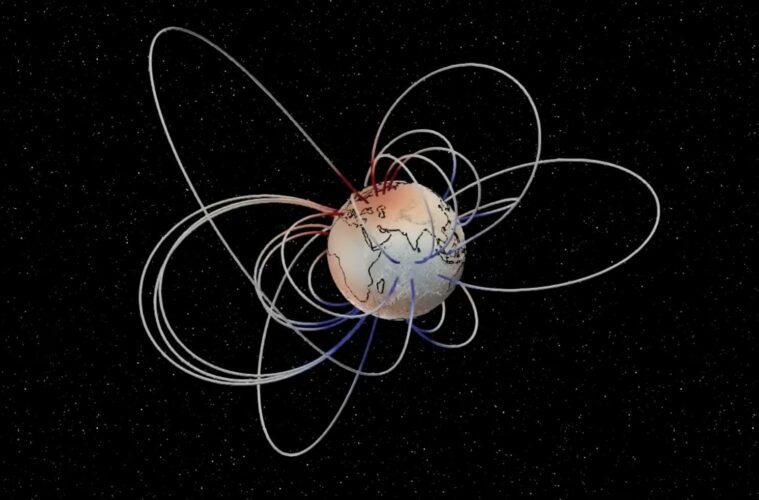
For the first time, scientists have produced an eerie soundscape of a mysterious magnetic field reversal event that occurred on Earth 41,000 years ago.