One of the most significant black hole discoveries in years points to the elusive "mass gap" phenomenon, defying our current understanding of stellar evolution.
In a recent study, researchers at Aalto University used Functional Magnetic Resonance Imaging (fMRI) to explore how different types of love activate the brain.
NASA’s James Webb Space Telescope (JWST) has made another discovery that pushes the boundaries of our understanding of the early Universe and the phenomenon of cosmic reionization.
New mathematics could provide researchers with a framework for a "unified theory" that will allow new methods of resolving several of the universe’s mysteries.
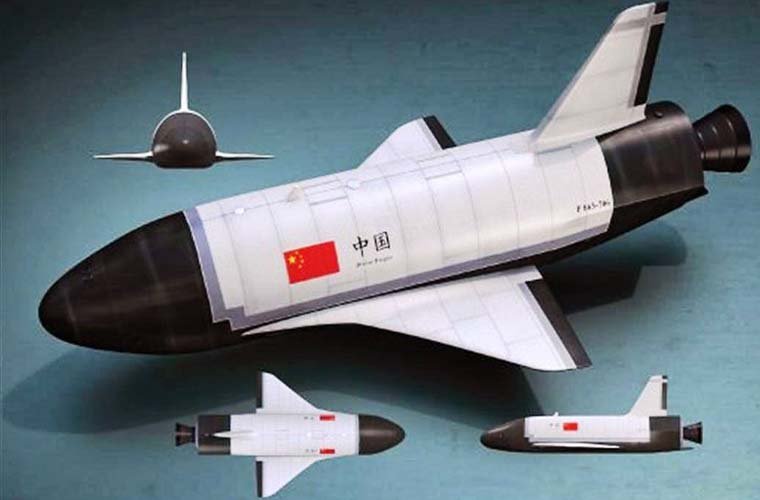
China’s mysterious experimental spacecraft, Shenlong, has returned from space after completing its third orbital test, where it spent 268 days in space testing the country’s reusable space technology.
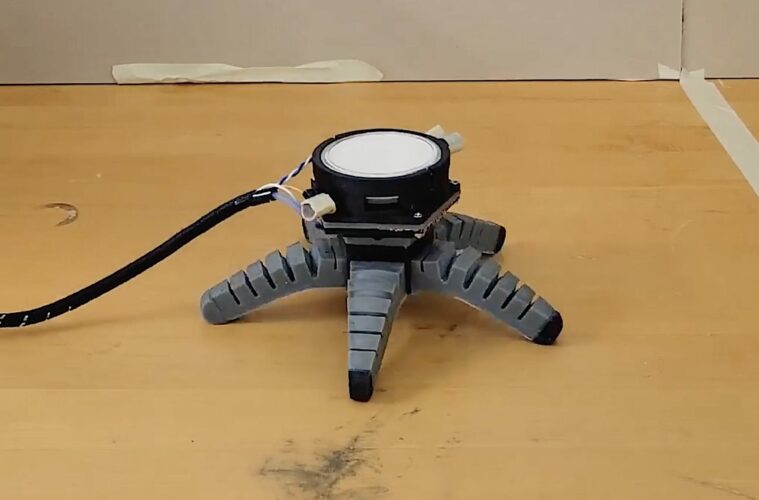
In a groundbreaking new development in robotics, researchers at Cornell have integrated robots with an unlikely organism to create “biohybrid” machines capable of sensing and responding to their environment.
Recent images from the Webb Telescope have unveiled six rogue planet discoveries, sparking significant questions among astronomers about the processes of star and planet formation.