A recent study from the University of Southampton has found that people tend to project their political perceptions onto fictional heroes and villains.
A study evaluating the link between conspiracy theories and sleep found that people were more prone to conspiratorial thinking when they experienced poor sleep quality.
The transgender community became a central talking point during President Trump’s address to the nation and Congress on Tuesday, where he made false claims that Democrats had funded scientific studies to “make mice transgender.”
Several U.S. Food and Drug Administration (FDA) employees, including some involved in reviewing Elon Musk’s Neuralink, have been fired or released recently. Now, the FDA wants them back.
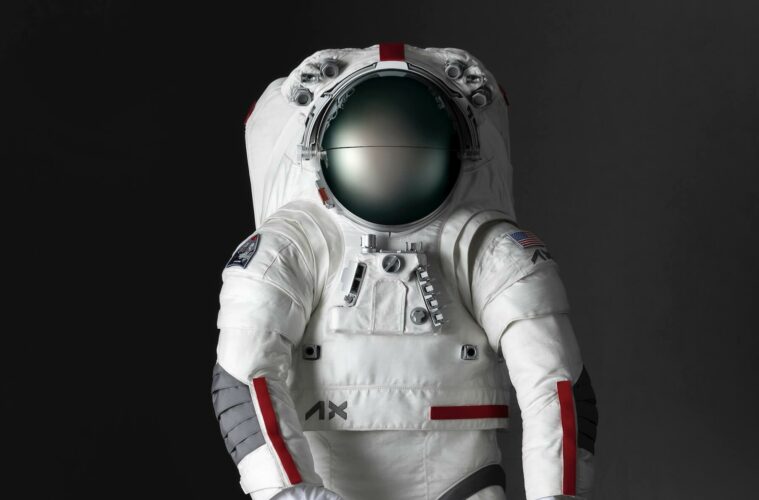
With the announcement of Blue Origin's all-female crew for the upcoming NS-31 mission, we explore the profound emotional and psychological impact of space travel on astronauts.
Experts are calling for the implementation of a framework for AI equality to help elevate the voices of communities that could become lost amid a shifting digital landscape.
As the U.S. Supreme Court debates whether Congress can ban TikTok, new research sheds light on the potential health risks social media platforms pose to children.
Christmas is here, and so are brand new images of some of the most beautiful holiday-inspired celestial views available in the visible universe, courtesy of NASA's Chandra X-ray Observatory.
Researchers have developed a new technology that harnesses the power of movement to generate electricity from vibration, charging a laptop or smartphone battery while you're on the go.
A research team at Johns Hopkins University has discovered evidence of the world's oldest alphabetic writing, carved onto finger-length clay cylinders, outdating other scripts by 500 years.
A new survey published in Royal Society Open Science is offering a rare snapshot into current scientific thinking about the emotions and consciousness of animals.
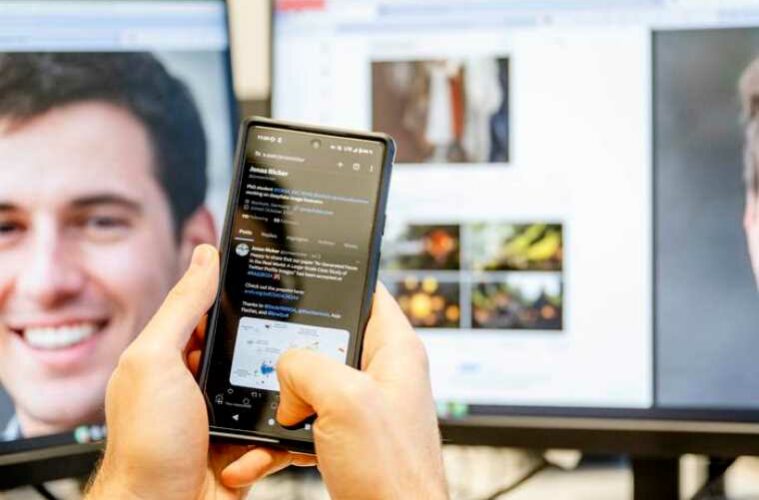
New research is revealing the prevalence of fake social media accounts using AI-generated images and their involvement with the spread of misinformation online.
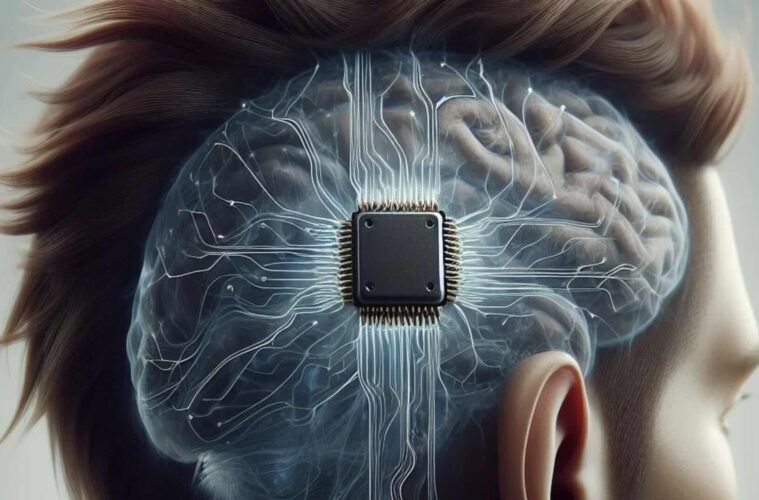
Neuralink, Elon Musk’s brain-computer interface (BCI) company, has received the FDA's “breakthrough device” designation for its innovative 'Blindsight' implant.
In a recent study, researchers at Aalto University used Functional Magnetic Resonance Imaging (fMRI) to explore how different types of love activate the brain.