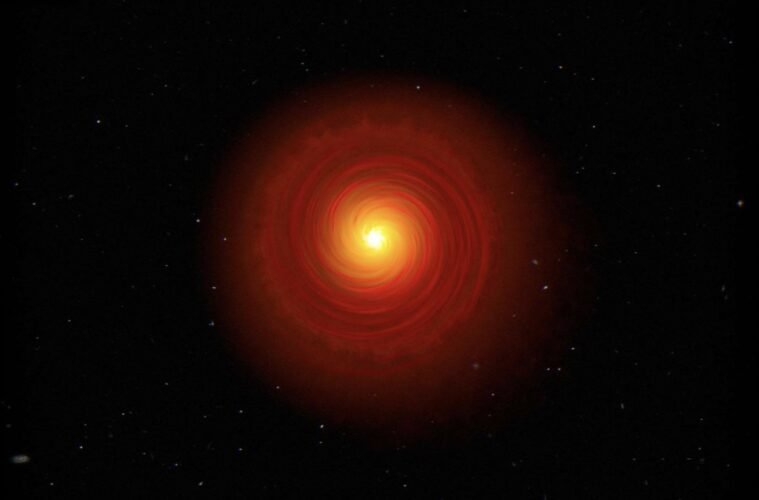
Scientists in Germany report the discovery of a new plasma instability could potentially upend our current understanding of cosmic rays and their origins.
The U.S. Department of Energy (DOE) has awarded $10 million to the Laboratory for Laser Energetics (LLE) at the University of Rochester as part of an initiative to stimulate research into inertial fusion energy (IFE).
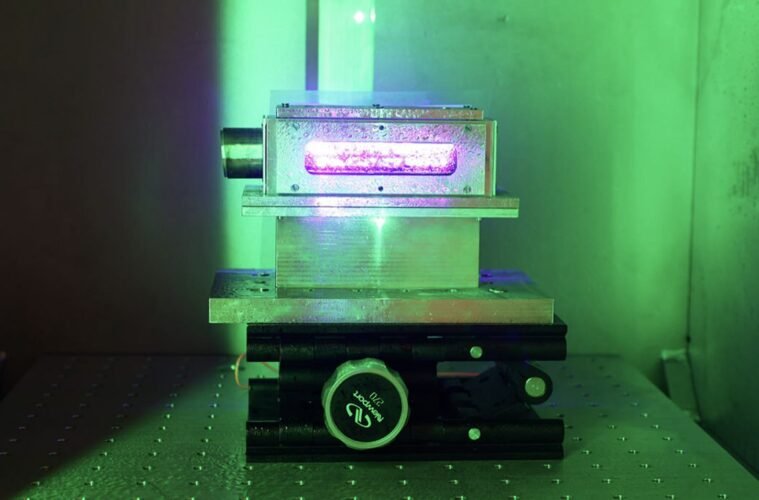
An international collaboration has successfully demonstrated a compact particle accelerator capable of generating a 10 billion electron volt (10GeV) beam.
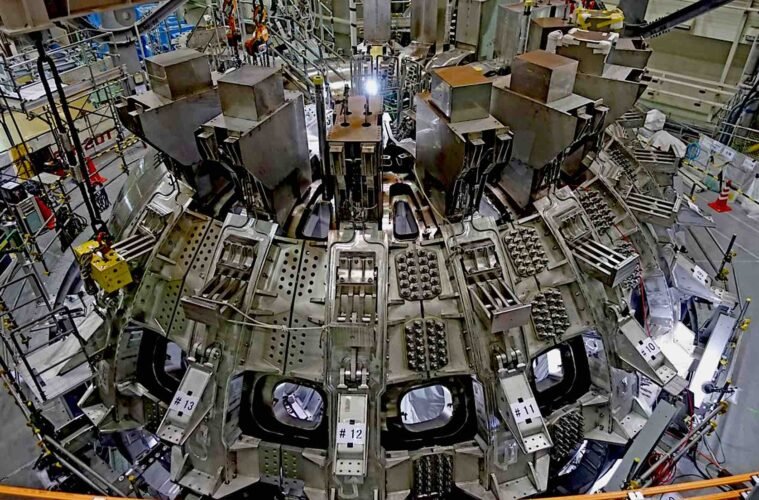
The largest and most advanced fusion reactor of its kind has commenced operations in Japan in a new cooperative effort between nations in the development of fusion energy.
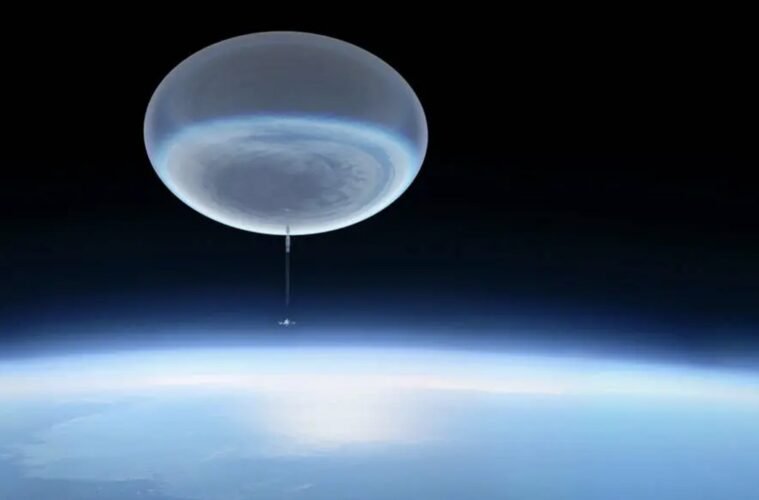
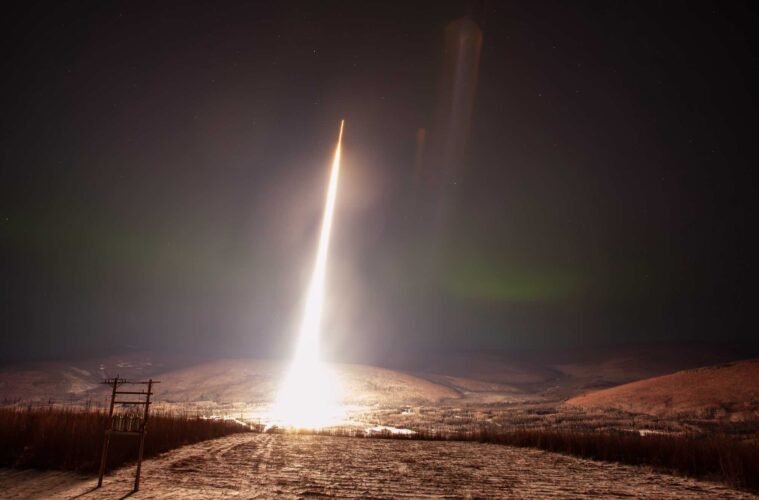
A long-duration aerial mission soon to be carried out by NASA over Antarctica will launch stadium-sized craft in support of a series of record-breaking science missions, the agency announced this week.
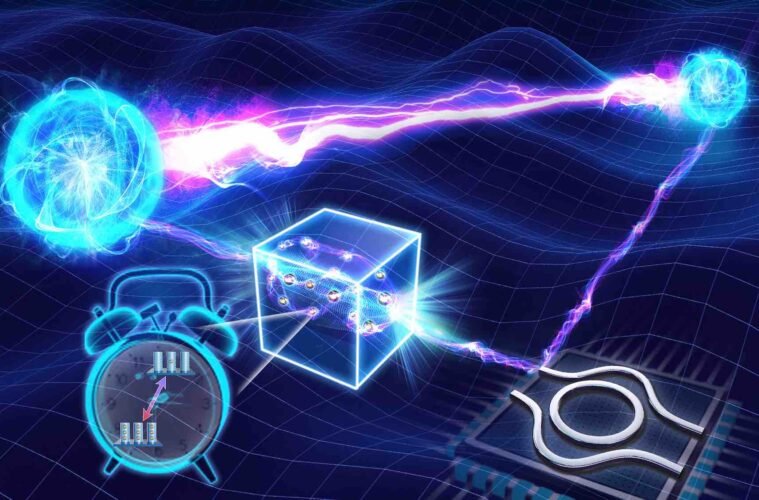
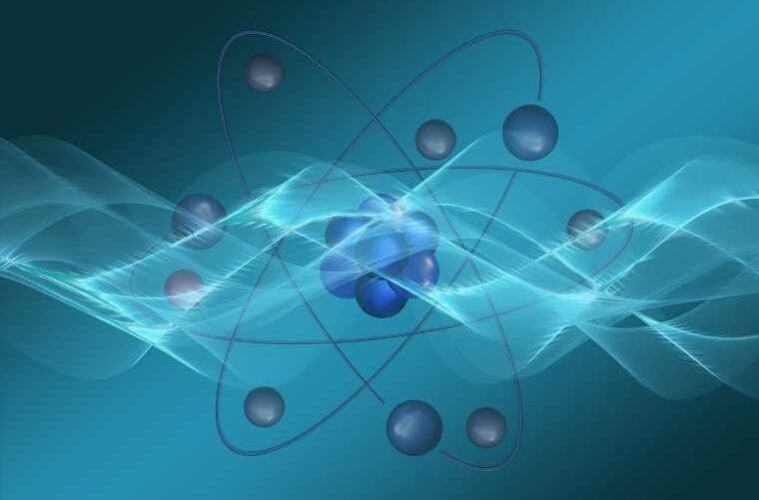
A consortium of German researchers aiming to be the first to measure quantum flickering directly say that their potentially groundbreaking experiments are finally ready to take place sometime in 2024.
NASA is gearing up for a new space biology research program, which the space agency says will advance its understanding of several areas of focus, including the ways lunar dust can affect animals and plants.
Archaeologists report a remarkable discovery on South Africa’s Cape Coast that could upend our thinking about the earliest use of one of humankind’s oldest forms of wearable technology.
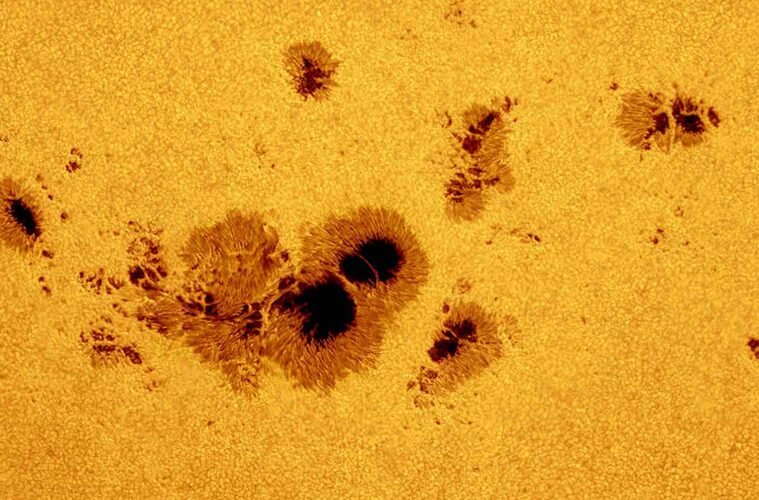
For more than a week, a team of astronomers watched something unusual after it appeared nearly 25,000 miles above a dark patch on the surface of the Sun.
An ancient stone covered in markings believed to represent the oldest map in Europe is revealing new secrets, according to findings that archaeologists believe could lead them to new ancient discoveries.
A team of neuroscientists and neurosurgeons say that communication from thoughts alone may finally be possible thanks to advanced brain sensors and machine learning algorithms.
Engineers from MIT and Harvard University have unveiled an innovative process to transform carbon dioxide into formate, a substance that can function as a stable fuel.
A team of researchers says they have discovered a massive ancient landscape beneath Antarctic ice, where it has remained preserved for millions of years.
Following a seven-year search, the Lost Continent of Argoland, which broke off from Australia and disappeared 155 million years ago, has finally been found.
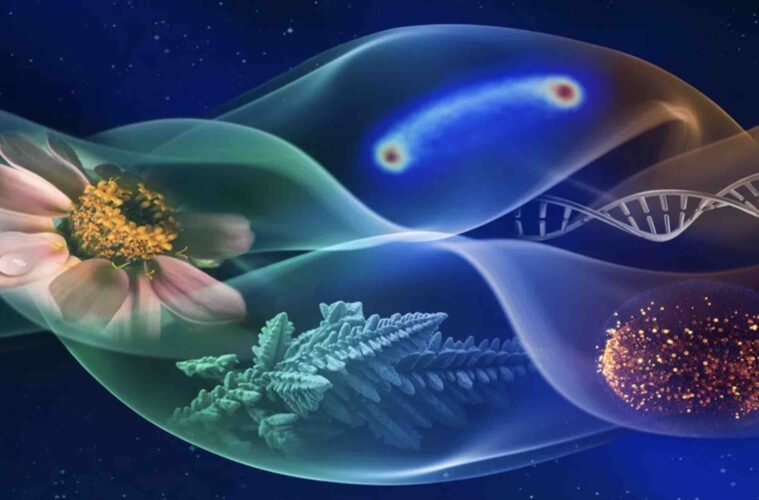
A team of researchers says that a “missing” physical law may be required to help account for phenomena in our universe that contribute to the evolution of various systems.