

Scientists are one step closer to seeing the return of the long-extinct dodo, with the latest breakthrough by Texas-based Colossal Biosciences.
The company revealed on Wednesday that it has successfully cultured pigeon primordial germ cells (PGCs) for the first time, marking a significant milestone that it says will help to enable its plans for engineering dodo genetics.
Along with the announcement of its avian genetics advancements, Colossal said in a press release that it had also secured $320 million in new funding, which it says will accelerate its ambitious de-extinction and conservation projects.
Earlier this year, Colossal made headlines with the announcement that it had successfully engineered the births of a trio of wolf pups that closely resemble the extinct dire wolf, a Pleistocene-era species popularized in recent years by its appearances in the popular series Game of Thrones.
The Coming Dodo Revival
Until now, culturing PGCs, which scientists identify as the cells that develop into sperm and eggs, had only been successful with chickens and geese.
Now, thanks to the efforts of Colossal’s Avian Genetics Group, the company has achieved the culturing of PGCs with pigeons, a pathway that circumvents previous hurdles in avian genetic engineering. Testing more than 300 culture conditions, the Colossal research team says they successfully created a system that allowed pigeon PGCs to grow indefinitely and demonstrate functionality.
This will be crucially important for the company’s aims to revive the extinct dodo, since it helps facilitate modifications that can be passed to future generations of birds. However, the company’s advancements go beyond just de-extinction, since pigeon PGC culture will also hold the potential for revolutionizing avian conservation, since the technology offers ways to restore lost genetic diversity, develop disease-resistant bird populations, and create biobanks as a safeguard against future extinctions.
“This breakthrough in culturing pigeon primordial germ cells represents a transformative tool for avian conservation,” said Beth Shapiro, Colossal’s Chief Science Officer.
Next of Kin to an Extinct Species
At the heart of Colossal’s dodo project is the Nicobar pigeon, which is the closest living relative to the extinct bird. Using gene-edited chickens possessing no germ cells of their own, the Colossal scientists plan to insert Nicobar pigeon PGCs that will act as surrogates, which they say will potentially allow chickens to lay eggs that will hatch into pigeons.
This, combined with high-quality genome data from other species closely related to the dodo, such as the Rodrigues solitaire and the critically endangered tooth-billed pigeon, brings the de-extinction of this species closer to reality than ever before.
Alongside its scientific advancements in avian genetics, Colossal also confirmed that the total funding it has received now surpasses $555 million, placing its valuation at more than $10 billion.
The company says its recent achievements, coupled with new genomic resources and conservation partnerships, position Colossal at the forefront of efforts to use biotechnology both to restore extinct species and to safeguard endangered ones.

The Path Forward for Deextinction
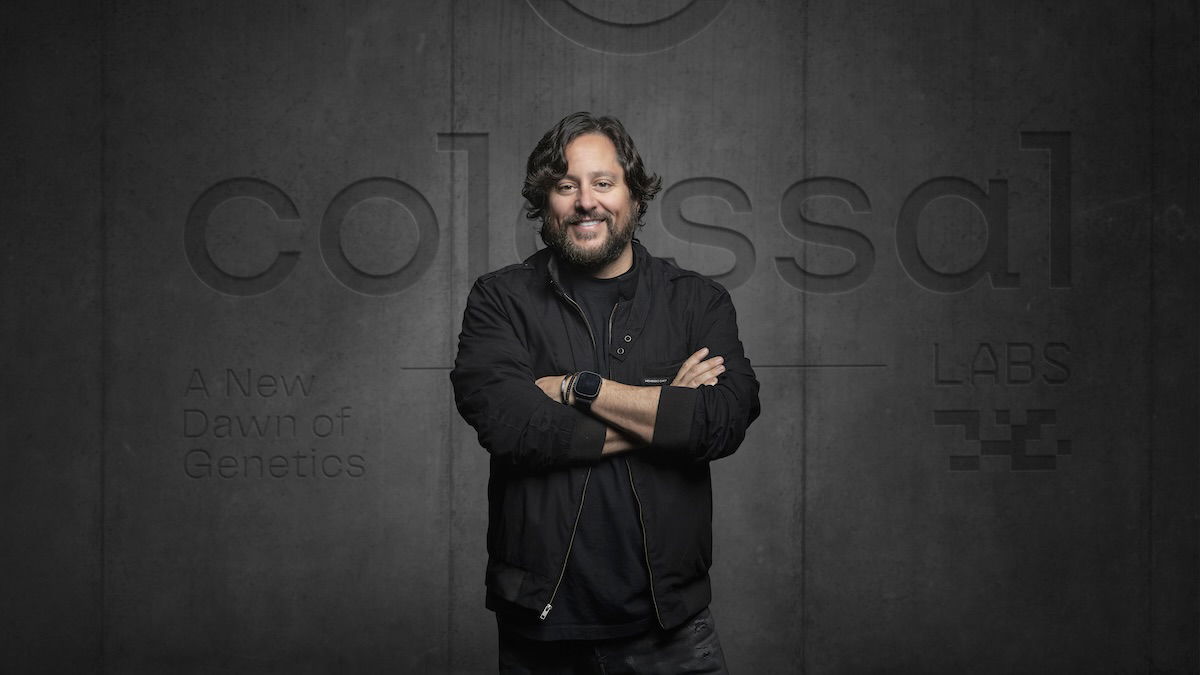
Colossal CEO Ben Lamm emphasized that the dodo project builds on momentum from the company’s moa de-extinction initiative announced earlier this year.
“This progress highlights how Colossal’s investment in de-extinction technology is driving discovery and developing tools for both our de-extinction and conservation efforts,” Lamm said in a statement.
Armed with new funding and ongoing expansions to its existing programs to include the first pigeon PGC cultures ever achieved by scientists, Colossal is now looking ahead toward innovations in avian reproductive science that will promote the conservation of existing species, and ultimately may help revive another member of the avian family that has been lost to time.
“This progress highlights how Colossal’s investment in de-extinction technology is driving discovery and developing tools for both our de-extinction and conservation efforts,” Lamm said on Wednesday.
“Following the global excitement around our recent moa announcement, this new infusion of capital will help us expand our infrastructure and grow our avian genomics team to accelerate not only the new moa de-extinction project, but also continue to track progress on the dodo,” Lamm said.
Micah Hanks is the Editor-in-Chief and Co-Founder of The Debrief. A longtime reporter on science, defense, and technology with a focus on space and astronomy, he can be reached at micah@thedebrief.org. Follow him on X @MicahHanks, and at micahhanks.com.