In this 2023 year-end roundup edition of The Intelligence Brief, we'll be looking at several of the biggest stories of the year brought to you by The Debrief.
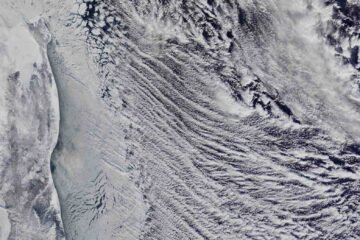
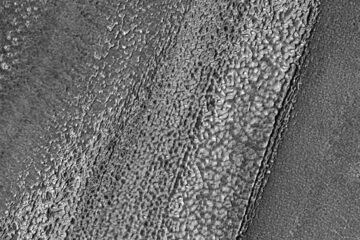
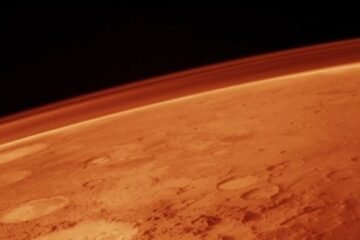
NASA’s Mars Reconnaissance Orbiter recently captured images of an odd-looking series of ridged lines carved into the landscape of the Red Planet, the U.S. space agency recently announced.
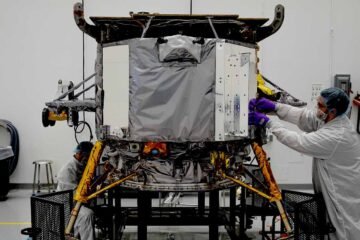
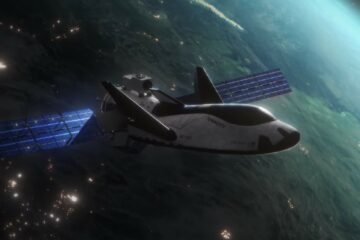
An innovative new spaceplane cargo system is advancing toward its first delivery to the International Space Station (ISS), as one of NASA’s commercial partners providing resupply services.
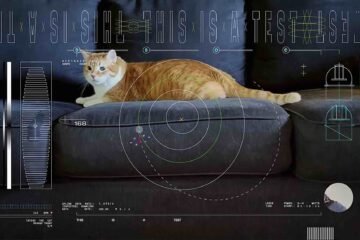
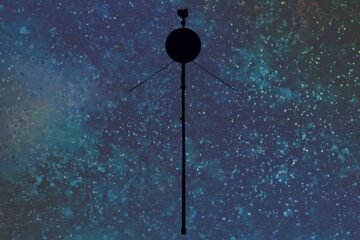
NASA engineers were reportedly left baffled recently after receiving a perplexing series of coded messages from a point in space nearly 15 billion miles from Earth, according to a recent update shared by the U.S. space agency.
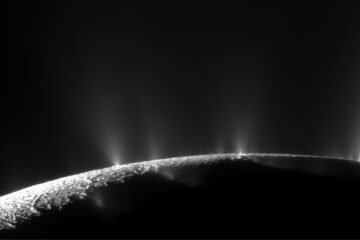
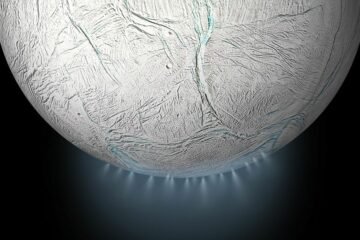
A team of NASA researchers says they have identified 17 potentially habitable icy worlds including two that are cosmically nearby, which may have subsurface oceans teeming with extraterrestrial life.
On today’s episode, we discuss an ancient discovery into human wearable technology, how AI is now being used to decipher ancient cuneiform tablets, and why NASA wants to grow food in lunar soil.
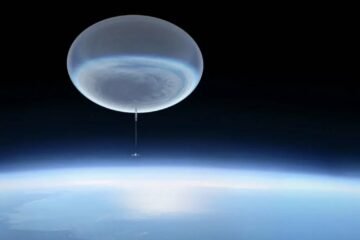
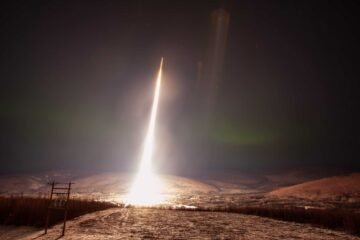
A long-duration aerial mission soon to be carried out by NASA over Antarctica will launch stadium-sized craft in support of a series of record-breaking science missions, the agency announced this week.
NASA is gearing up for a new space biology research program, which the space agency says will advance its understanding of several areas of focus, including the ways lunar dust can affect animals and plants.
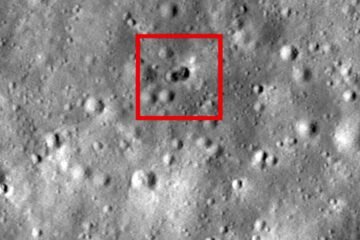
A team of Arizona astronomers says they know the identity of a mysterious object that collided with the Moon last year, and that it was carrying an unknown payload.
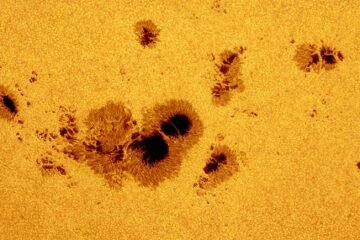
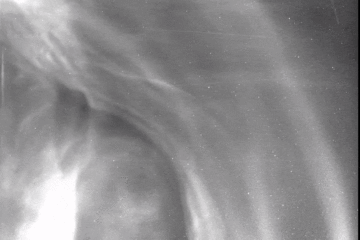
For more than a week, a team of astronomers watched something unusual after it appeared nearly 25,000 miles above a dark patch on the surface of the Sun.
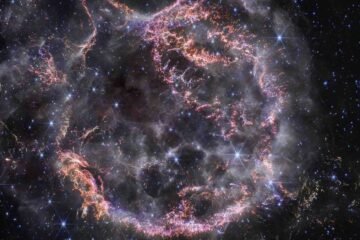
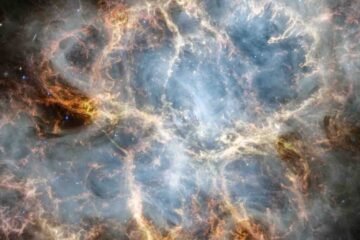
The mysterious Crab Nebula appears like it has never been seen in new images captured by NASA’s James Webb Space Telescope, revealing new clues about its origin.
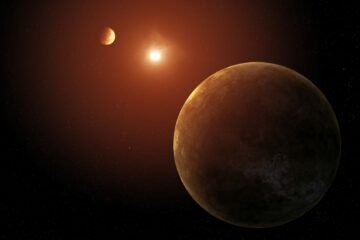
Scientists report the discovery of a system of scorching hot planets, revealed in new findings from data collected by NASA’s retired Kepler space telescope.
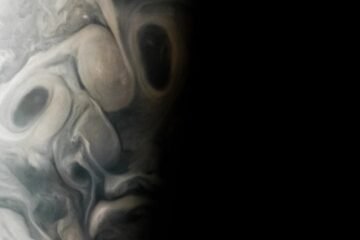
Just in time for Halloween, NASA's Juno spacecraft has returned an image of cloud formations on the surface of Jupiter that seems to resemble a creepy face.
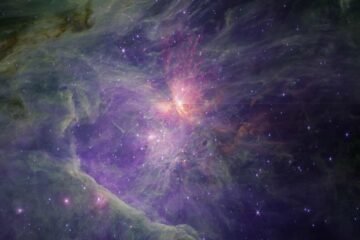
New images of the Orion Nebula captured by the James Webb Space Telescope have revealed the existence of 150 free-floating objects once considered a scientific impossibility.
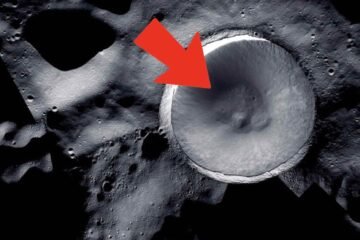
Bathed in constant darkness at the Moon’s South Pole, the enigmatic Shackleton crater has remained a subject of intense scientific interest—and controversy—for decades.