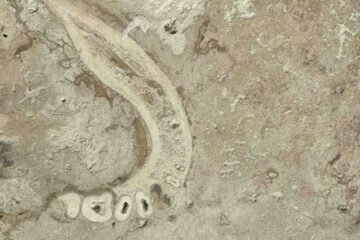
For much of the past century, fossils from East Africa have shaped our understanding of ape evolution. Now, a jawbone found in the Egyptian desert adds a new dimension to that story.
A new study in Nature led by scientists at New York University reports that fossil bones as old as 3 million years still contain thousands of preserved metabolic molecules.
A team of scientists recently identified the first deposits of amber in South America to contain ancient insects, providing a window into biological life 112 million years ago.
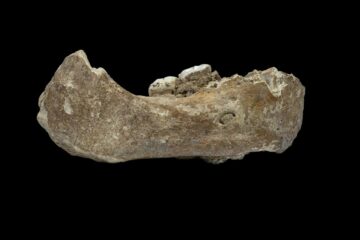
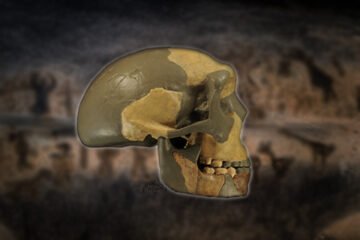
New data is revealing deeper insights into how early humans interbred with Denisovans in several distinct events that significantly shaped our early history.
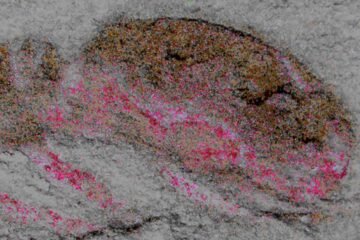
Half a billion years ago, an ancient wormlike animal was preserved in a seabed, whose fossil remains are now challenging our current theories about brain evolution.