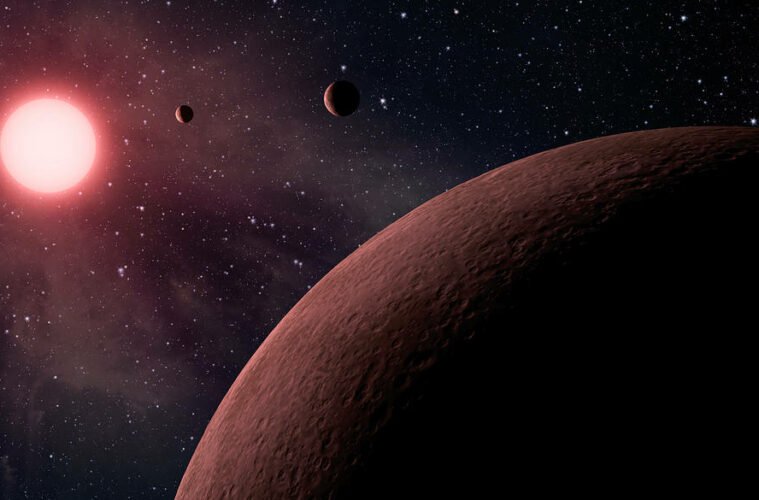
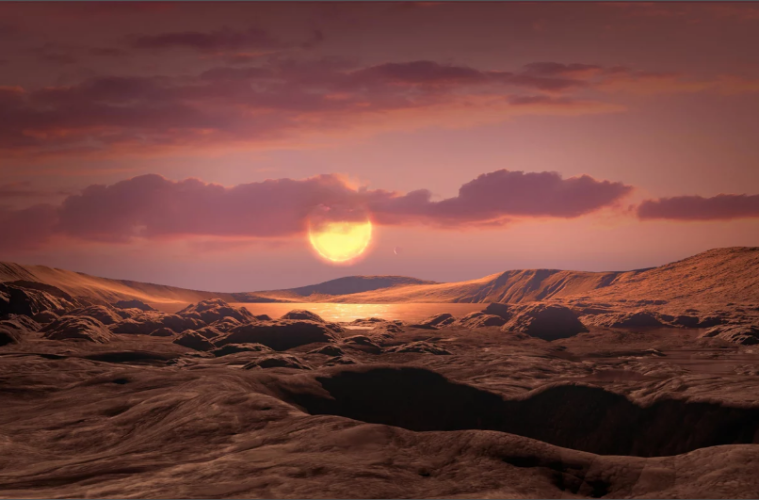
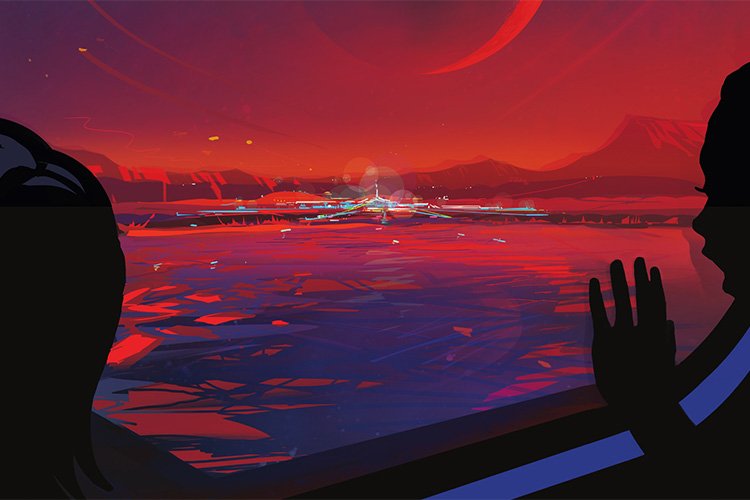
A new study examining the orbital eccentricity of exoplanets has determined that as many as 1 in 3 planets orbiting the billions of M-dwarf stars in the Miky Way galaxy may be habitable.
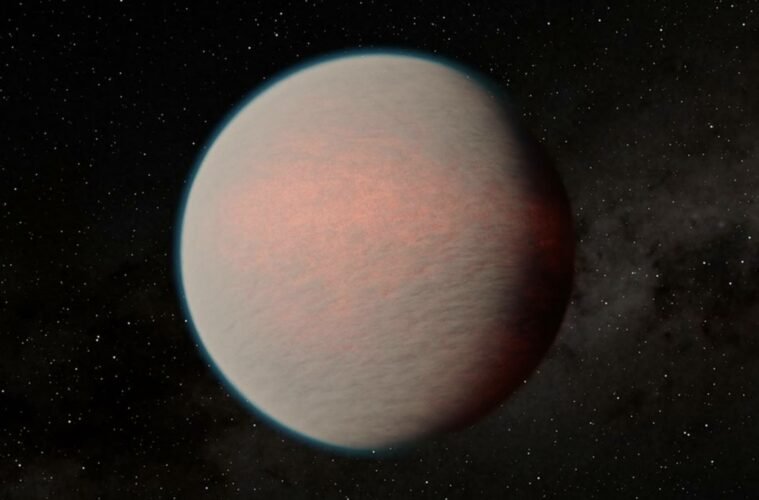
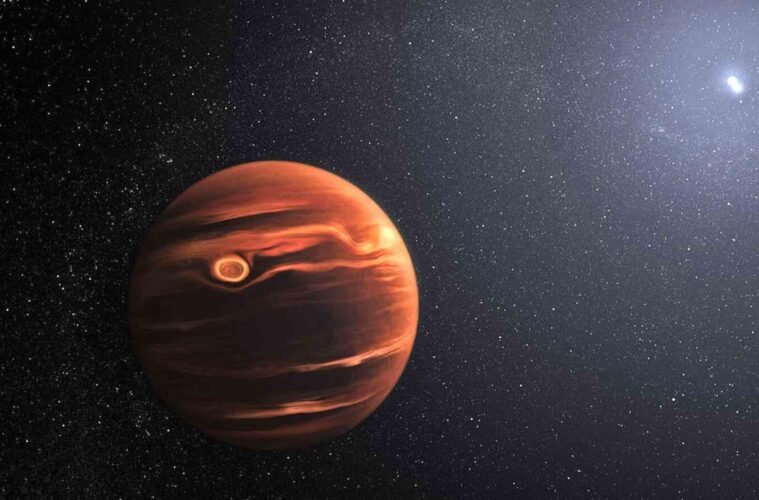
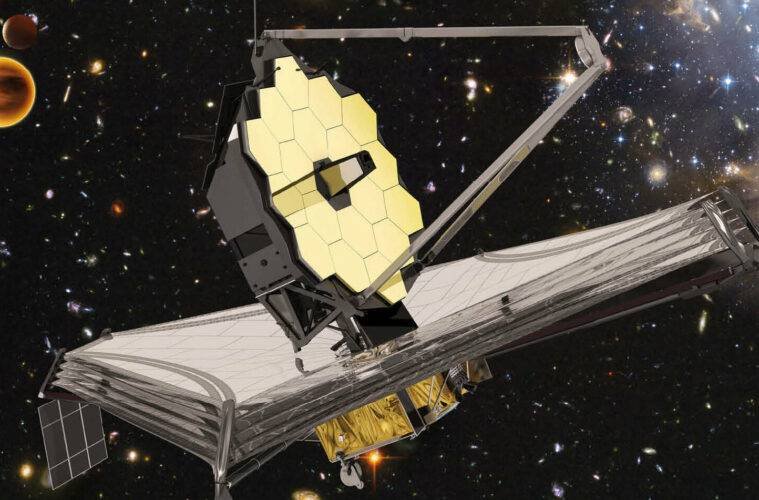
For the first time ever, researchers using the James Webb Space Telescope have successfully measured the light coming from a sub-Neptune-sized exoplanet that orbits a star only 40 light years away.
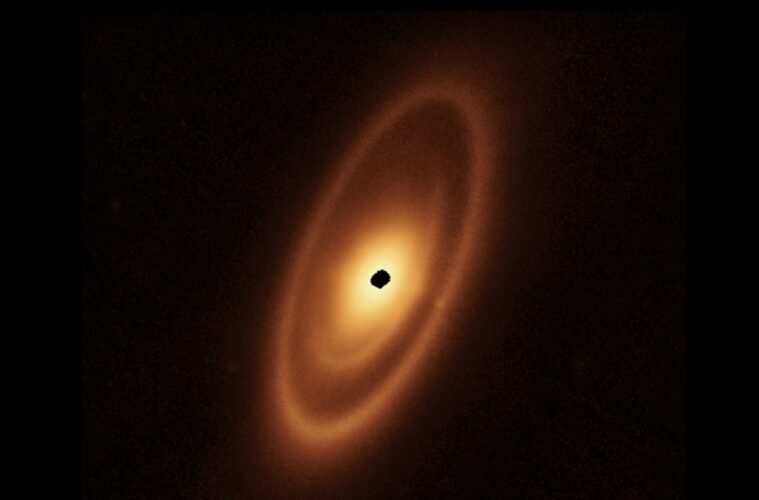
Astronomers studying the first asteroid belt ever seen beyond our solar system have detected a series of glowing discs encircling the star Fomalhaut, according to NASA.
One of the great mysteries of the ancient Americas has finally been solved, according to anthropologists who say they may have unraveled the longstanding mystery of the ancient Mayan calendar.
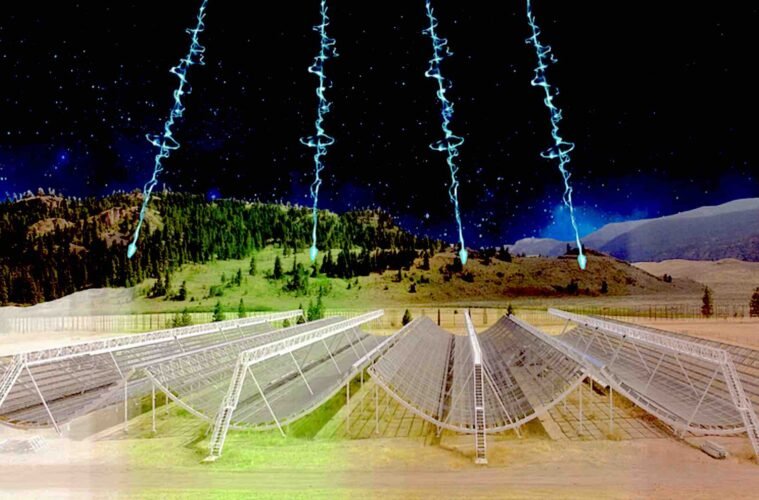
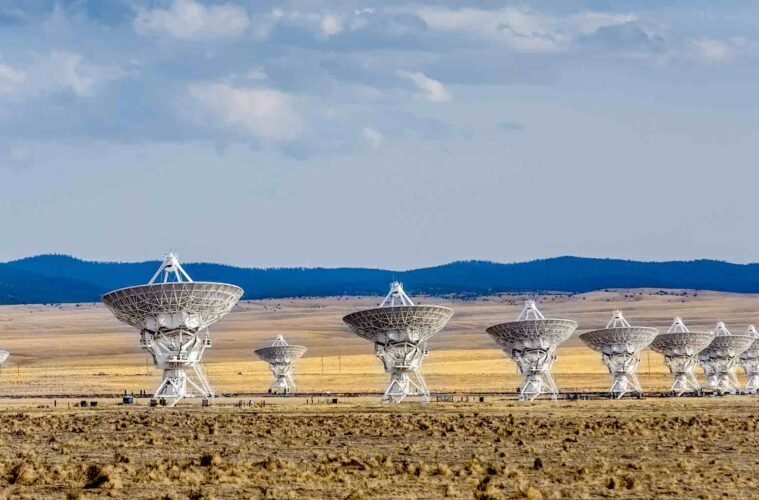
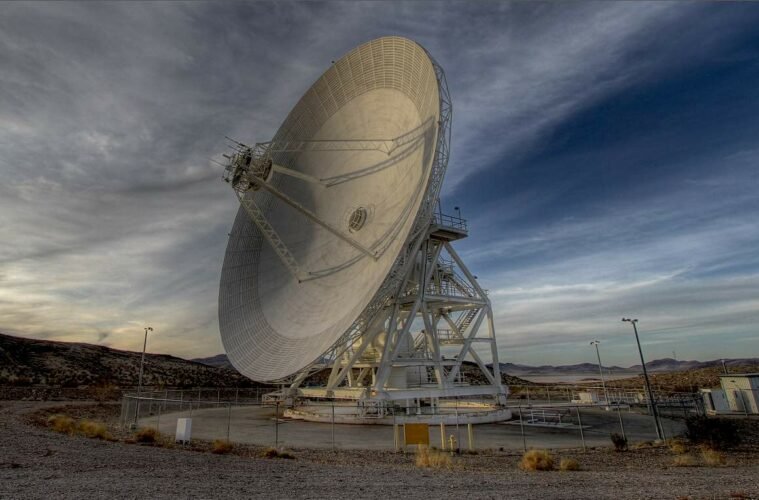
The search for extraterrestrial intelligence (SETI) will soon be getting help from one of the world’s largest and most powerful radio telescope arrays, as scientists continue to scour the universe for evidence of extraterrestrials and their technologies.
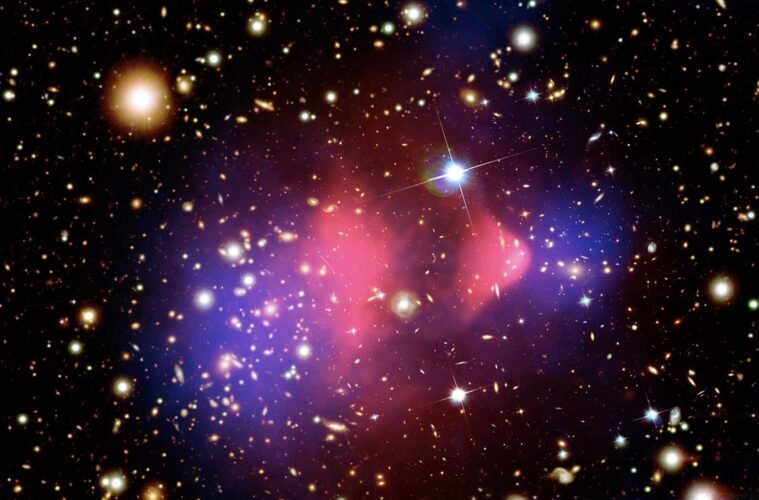
A new study proposes that Dark Matter, the elusive substance that makes up 85% of the universe, is likely made up of ultralight particles known as axions and not the Weakly Interacting Massive Particles, or WIMPs, favored by most current theories.
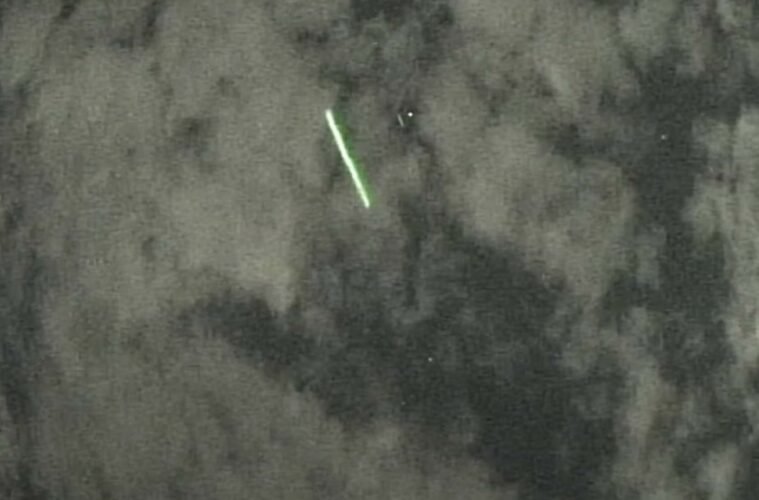
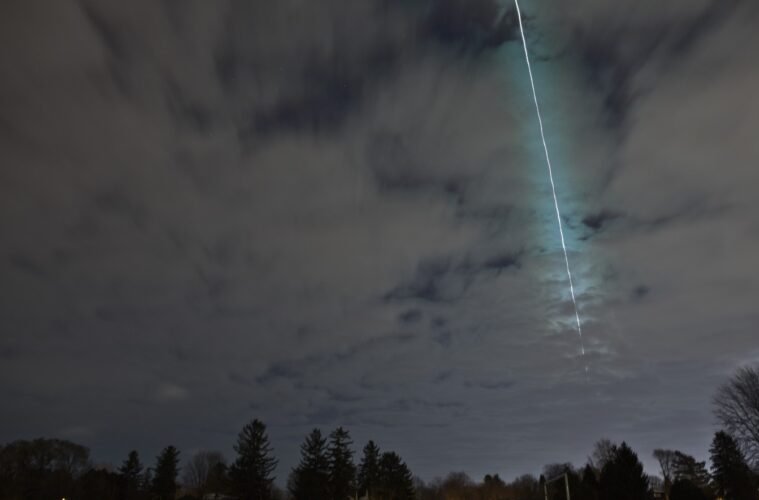
Whatever flashed through the skies over Japan certainly wasn’t a bird or a plane… could it have been a meteor? As it turns out, NASA satellite data had the answer.
A potentially "illuminating" new theory says that the universe's first light may have been ripped from the fabric of space/time by the extreme forces of gravity in the form of gravitational waves that existed right after the big bang.
A stunningly detailed cosmological map that covers about of quarter of the entire sky shows the effects of dark matter on the cosmic microwave background radiation, lending strong support for Albert Einstein's theory of gravity.
A new study may have revealed clues to understanding a long held cosmological puzzle, involving a discrepancy in the cosmic expansion rate of the universe.
A seldom-seen midnight celestial event reportedly occurred in recent weeks, marking what may be just the second time the rare solar phenomena has been observed in more than a decade.
A new paper from the University of Tokyo suggests that astrobiologists could find signs of alien life in particles of space dust that have been ejected from exoplanets and traveled across the vastness of space to reach earth.
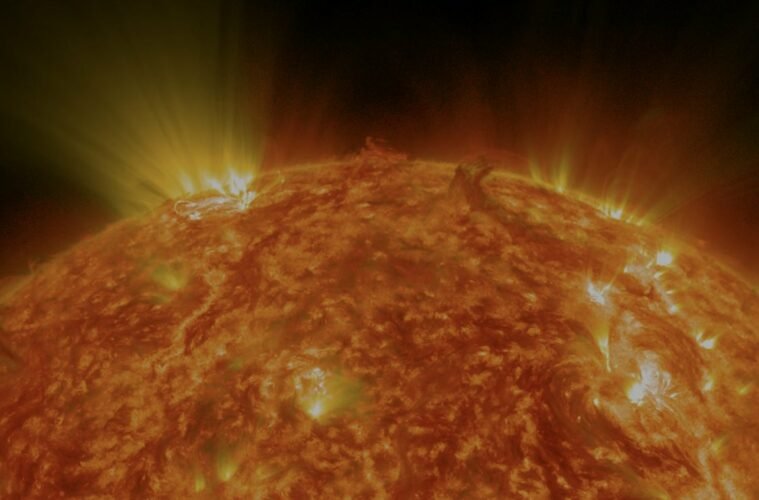
A new study reveals the source of a curious feature of the Sun’s atmosphere that produces a signal pattern that researchers have likened to a human heartbeat.
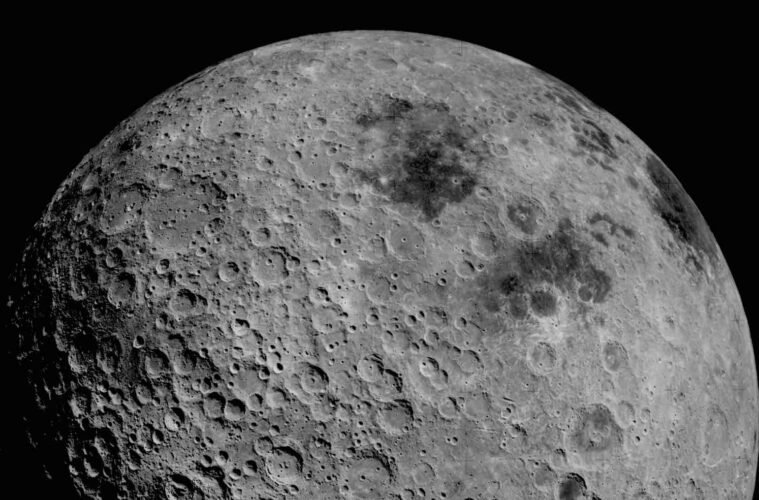
The “Dark Ages of the Universe” will be the focus of a new experiment conducted jointly by NASA and the U.S. Department of Energy (DOE), involving the placement of a new science observatory on the far side of the Moon.
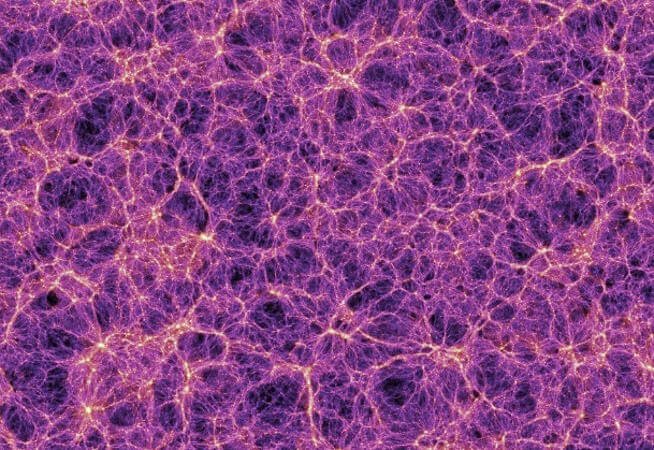
Australian researchers have measured the effects of massive galactic-scale shockwaves rippling through the cosmic web, a structure that encompasses all of the matter in the known universe.
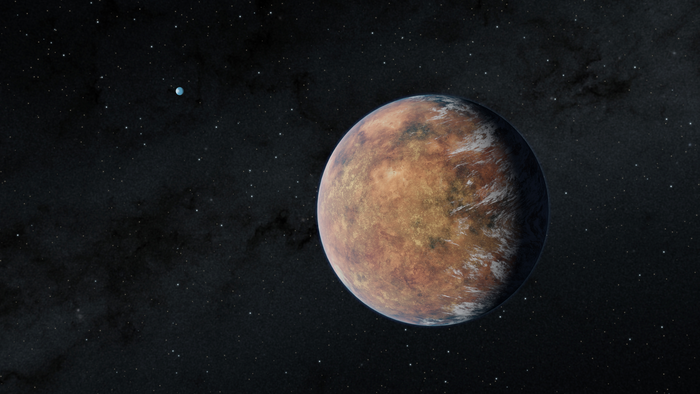
An earth-sized exoplanet that is orbiting within its star's habitable zone has been spotted a mere 31 light years away from Earth, offering astronomers and astrobiologists a tantalizingly close new target in the search for extraterrestrial life.
A new discovery that could potentially hasten our knowledge about physics in some of the universe’s most extreme areas has been revealed from data collected by astronomers over the last several decades.
A pair of puzzles that planetary scientists have observed amidst 3,800 different planetary systems may have been solved, with the aid of a new model that considers the influence of various forces on young planet formation.
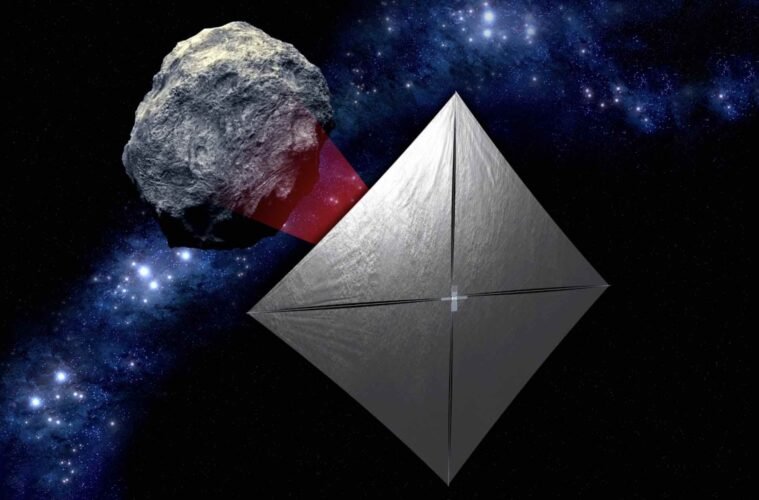
A 500-foot asteroid was recently the target of radio signals emitted by Alaska's HAARP facility, as part of an effort to enhance our ability to detect potentially deadly space objects.
Researchers with the U.S. Department of Energy (DOE) say they have untangled a solar mystery, in a breakthrough that could help resolve many lingering questions in astrophysics.
Following the announcement that the James Webb Space Telescope has already endured 14 micrometeoroid impacts, NASA says that, barring an unforeseen event, the groundbreaking observatory should still be able to conduct science operations for another 20 years.
Researchers have postulated that readings from the Hubble Space Telescope may help to explain the nature of the ever-elusive dark matter, which may actually be made up of something called dark photons.
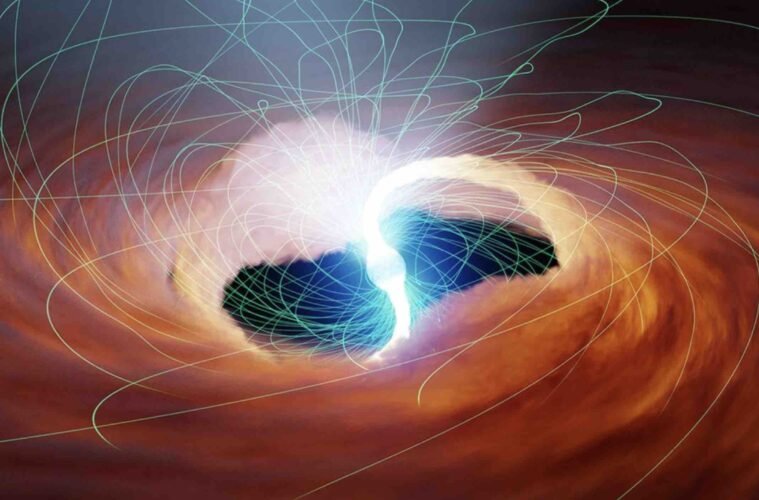
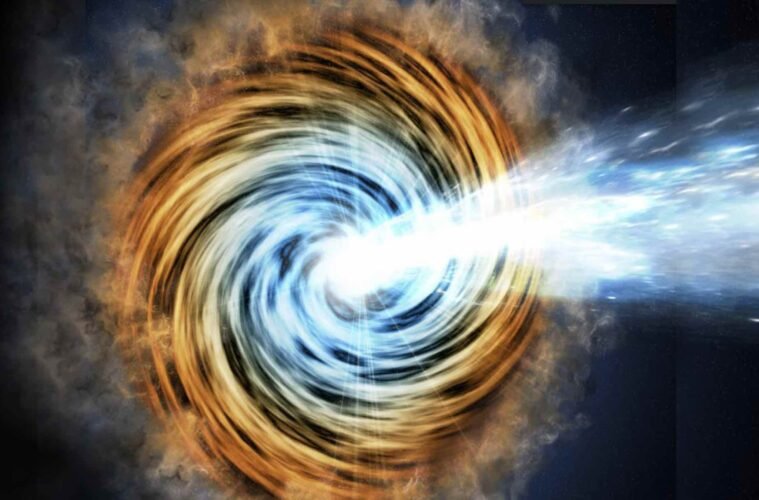
Astronomers say the results of a long-term study of a distant, high-energy space object have yielded new details about the behavior of one of our universe’s most prevalent extragalactic sources of gamma rays.
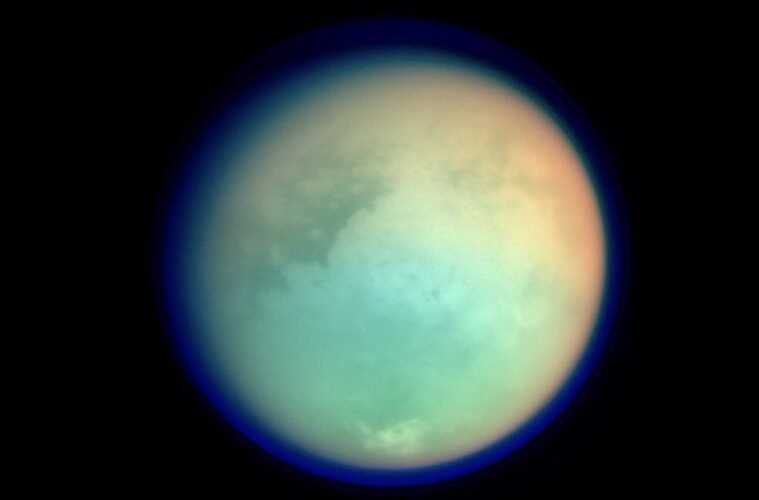
Saturn's moon Titan has an atmosphere rich in organic compounds, which has led to speculations that chemical precursors of life may have been generated there.