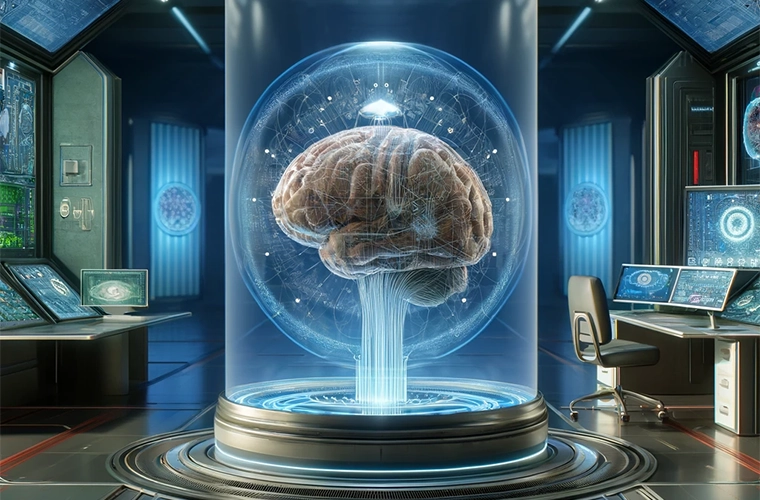
Research reveals that the "truth effect" and "illusion of knowledge effect" create false memories from repeated information, impacting beliefs in the digital age.
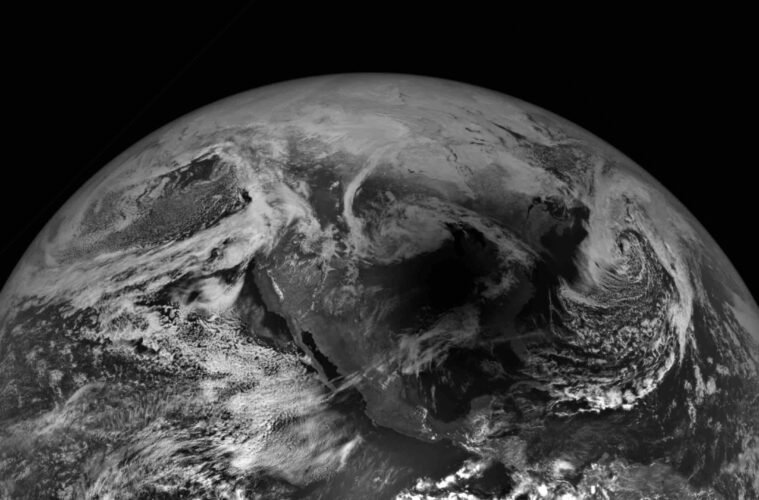
New research has revealed that earthquake swarms may be linked to climate events that include heavy snowfall and rain, according to new findings by MIT scientists and an international team of colleagues.
In Michigan's Upper Peninsula, stones called "Yooperlites" that glow when exposed to ultraviolet (UV) light are capturing the fascination of the rockhounding world.
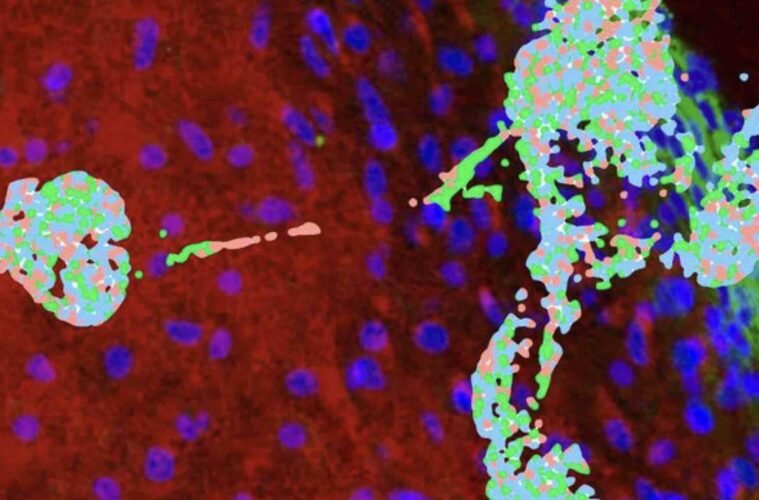
Scientists report the development of microbiotic swarms that capture microplastics and potentially harmful microbes in water, paving the way for new approaches to combatting pollution in our oceans and waterways.
A new twist on a century-old law draws inspiration from nature, and could lead to more efficient batteries and improvements to a range of other technologies.
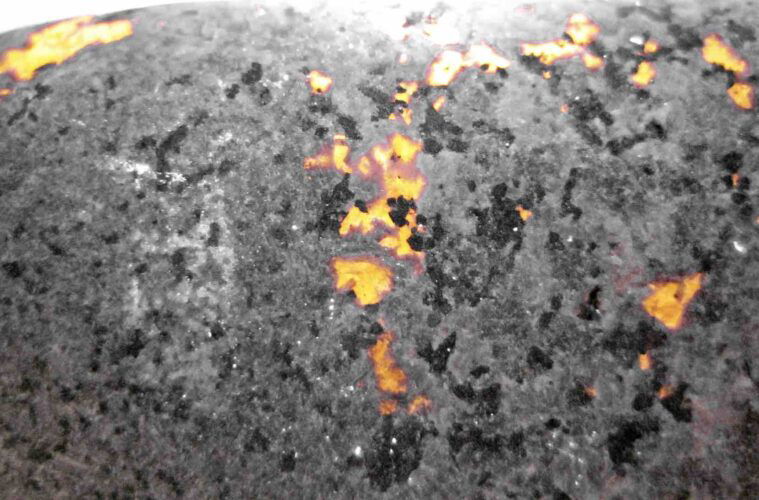
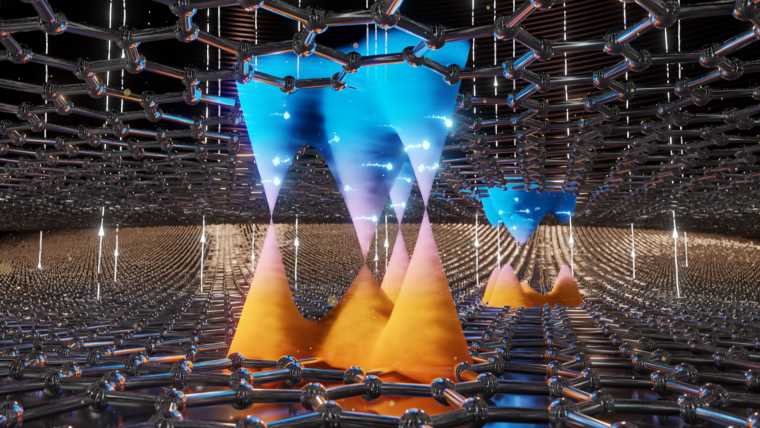
An international team of energy scientists and theoretical physicists say they've solved the centuries-old mystery of why ultra-thin sheets of gold glow.
In the heart of China, massive sinkholes hide ancient forests teeming with life. A new study published in March finds that these forests contain long lost DNA.
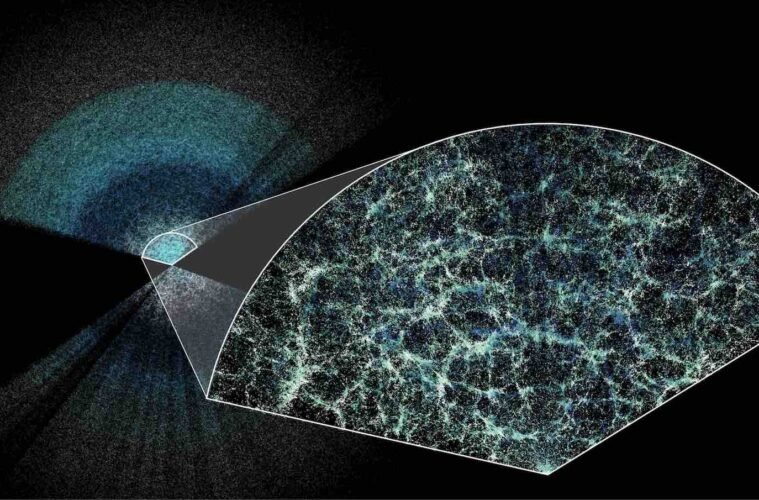
An international team of collaborators has created a new three-dimensional map of the universe, providing the most detailed view of the cosmos yet seen and charting its expansion over 11 billion years.
Scientists say they have created a new method of testing materials that allows predictions to be made about their strength, which may eventually lead to virtually “unbreakable” metals.
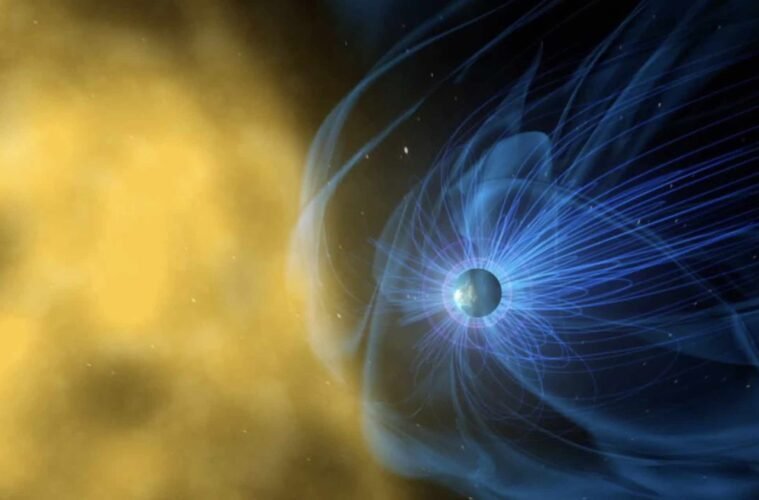
Appearances of the aurora borealis are expected to be likely in parts of North America on Monday night, following an intense geomagnetic storm that struck the Earth on Sunday.