

Amid rising extinction levels in severely impacted habitats, an unprecedented expansion in biotech-driven conservation is underway.
Colossal Foundation, the nonprofit element of the Texas-based de-extinction and conservation science company Colossal Biosciences, has announced a $50 million funding boost that is advancing its efforts to support wildlife recovery projects spanning six continents.
Assembled to channel Colossal’s existing de-extinction and genomic engineering technologies into urgent conservation action, the Foundation presently supports more than 40 species through several dozen global initiatives.
In recent months, projects that include engineering disease-resistant amphibians, cloning a ghost lineage of red wolves, the development of a novel mRNA vaccine to target a virus that threatens the lives of elephants, and a promising initiative that plans to use artificial intelligence to decode wolf communication have all been undertaken by the foundation.
Ben Lamm, co-founder and CEO of Colossal, says that throughout 2025, the company has made significant strides in a range of areas, allowing the Foundation to expand its range of partners and projects.
“In just 12 months, we’ve doubled the Colossal Foundation’s funding, allowing us to massively expand our partners and projects—and deliver immediate impact for conservation,” Lamm said in a statement.
Lamm says the Foundation’s role is fundamentally to “move these tools into the hands of those on the front lines of biodiversity loss, and scale conservation innovation fast enough to matter.”
A Biodiversity Crisis Outpacing Traditional Conservation
The threat to global wildlife populations has never been more apparent, with extinction rates now exceeding natural background levels more than 100-fold. Equally challenging is the lessened impact of traditional conservation approaches, which remain essential, but still face the inability to keep pace with the concerning acceleration in wildlife population losses.
“Traditional conservation remains essential,” said Matt James, Executive Director of the Colossal Foundation, in a statement, though adding that it “is no longer sufficient on its own.” Emerging technologies expand the conservation toolkit, he says, by increasing resilience, restoring lost functions, and preventing future extinctions.

Enter Colossal Foundation, which employs a strategy centered on the use of advanced biotechnologies, AI-powered monitoring tools, genomics advances, and a range of cutting-edge capabilities to help conservationists fight the threats species face in a diverse range of habitats worldwide.
According to a 2025 Impact Report recently released by the Foundation, several key breakthroughs were made in 2025, which include its successful cloning of four ancestral “ghost wolves” from the American Gulf Coast—individuals carrying up to 72% red wolf ancestry. Accompanying this effort, the Foundation also successfully produced the first complete red wolf reference genome, laying the groundwork for long-term genetic restoration.
Decoding Wolf Communication With AI
The Foundation’s work with wolves also includes its collaboration with Yellowstone National Park’s Wolf Project, with the deployment of 48 autonomous acoustic sensors across the park that have already successfully captured more than 7,000 verified wolf howling events across more than 200,000 hours of audio.
Leveraging advanced AI models, the audio will be used to help decode the nuances of wolf communication, which will assist scientists with tracking a range of behaviors that include pack dynamics, in addition to helping monitor and detect threats they may face in their environment.
“This is the most detailed acoustic study of wild wolves ever conducted,” said Yellowstone Wolf Project scientist Dan Stahler in a statement.
First mRNA Vaccine to Combat Elephant EEHV
The Foundation’s work in 2025 didn’t end with its canine preservation efforts. Elephant endotheliotropic herpesvirus—the leading cause of juvenile elephant death while in human care—also became one of its areas of focus. By partnering with Baylor College of Medicine, the Foundation accelerated development of the first mRNA vaccine targeting the virus.
This year, two vaccinated calves at the Cincinnati Zoo—Sanjay and Kabir—were shown to survive natural exposure without illness, providing the first real-world evidence of vaccine protection. According to information made available to The Debrief from the Foundation, currently more than ten elephants are undergoing vaccinations, along with antigen testing to help monitor their immunity to the virus.
Species Reintroduction Fund, Disease-Resistant Amphibians, and More
This year, the Foundation also launched the Species Reintroduction Fund in partnership with Re:wild, which supports global rewilding with catalytic financing and technical collaboration. Additionally, the Foundation has taken aim at combating the chytrid fungus known to have driven nearly 100 amphibian species to extinction, while threatening close to 500 existing species.

Presently, the Foundation has committed $3 million to a new genetic rescue effort with the University of Melbourne, which will use nanobody technology inspired by alpaca immune systems to engineer innate immunity for these endangered amphibians. Additionally, the effort will seek to create a novel amphibian cell line and work to establish delivery systems and data supporting nanobody technologies that help to confer resistance.
Among the Foundation’s ongoing efforts, invasive cane toads whose deadly venom has impacted Australia’s northern quoll populations are also a focus, with the Foundation’s team identifying a single genetic change that confers toxin resistance and has generated the first induced pluripotent stem cell line for the species, marking a major milestone for engineering toxin-resistant quolls.
Also, Colossal’s acquisition of Viagen Pets & Equine, as reported earlier this year, has helped the company to bring the world’s most advanced animal cloning company into the purview of the Foundation’s conservation efforts. Before joining Colossal, Viagen had already successfully cloned 15 species with a success rate approaching 80%, along with contributions to biobanking more than 40 species that include rhinos, bats, and critically endangered rodents.
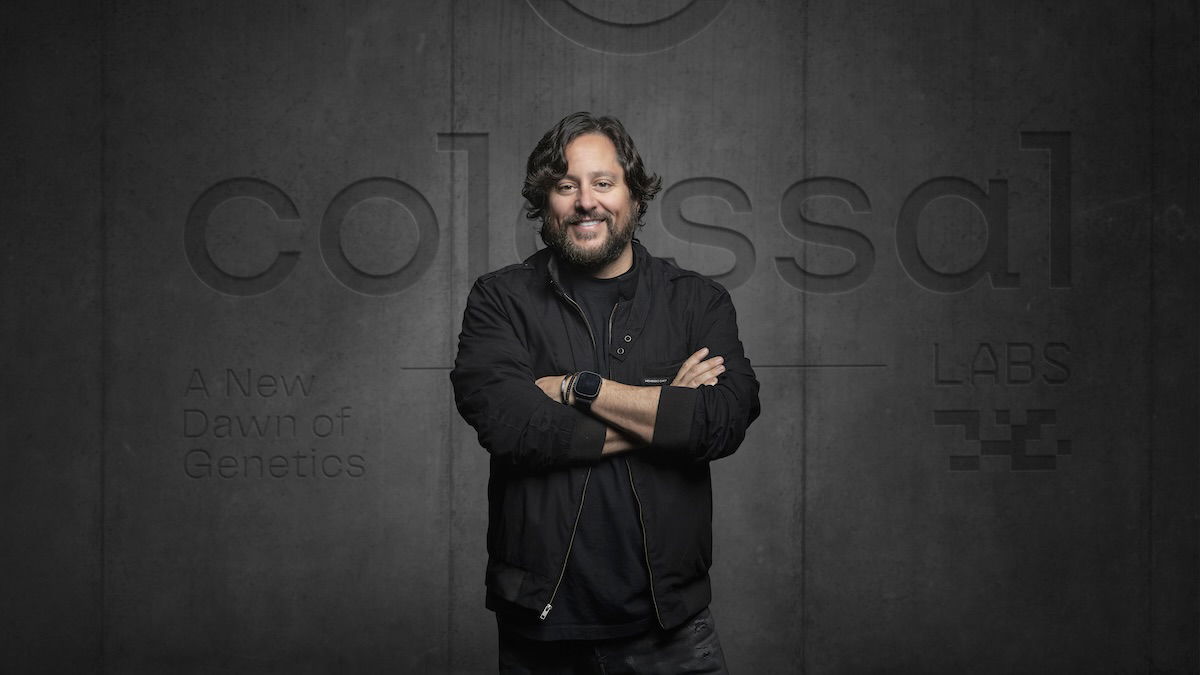
“No other company comes close to what Viagen has achieved,” Lamm said in a statement.
Toward a New Conservation Paradigm
Now with $100 million secured, the Colossal Foundation aims to scale its programs throughout the next decade, advancing rescue efforts that incorporate leading genetics research across multiple continents. This, in addition to expanding its network of indigenous collaborators and conservation partners.
Fundamentally, the organization is positioning biotechnology not as a replacement for traditional conservation, but instead as a force multiplier in a moment of increasing ecological crisis.
“As our technology advances, our role is clear,” Lamm says, adding that the Colossal Foundation aims to “move these tools into the hands of those on the front lines of biodiversity loss, and scale conservation innovation fast enough to matter.”
Micah Hanks is the Editor-in-Chief and Co-Founder of The Debrief. A longtime reporter on science, defense, and technology with a focus on space and astronomy, he can be reached at micah@thedebrief.org. Follow him on X @MicahHanks, and at micahhanks.com.