
New experiments by researchers from Gaziantep University have revealed a possible missing link in psychedelics used in PTSD treatments that could explain how these emerging therapies can ‘lock in’ brain circuit changes experienced during therapeutic sessions to ensure long-term suppression of symptoms.
Although the research substituted human patients with a rat fear model, the study’s findings could help researchers improve psychedelic-based PTSD treatments by focusing on physiological components of the human brain associated with stress induced damage.
Mysterious Mechanisms Underlying the Benefits of Psychedelics on PTSD
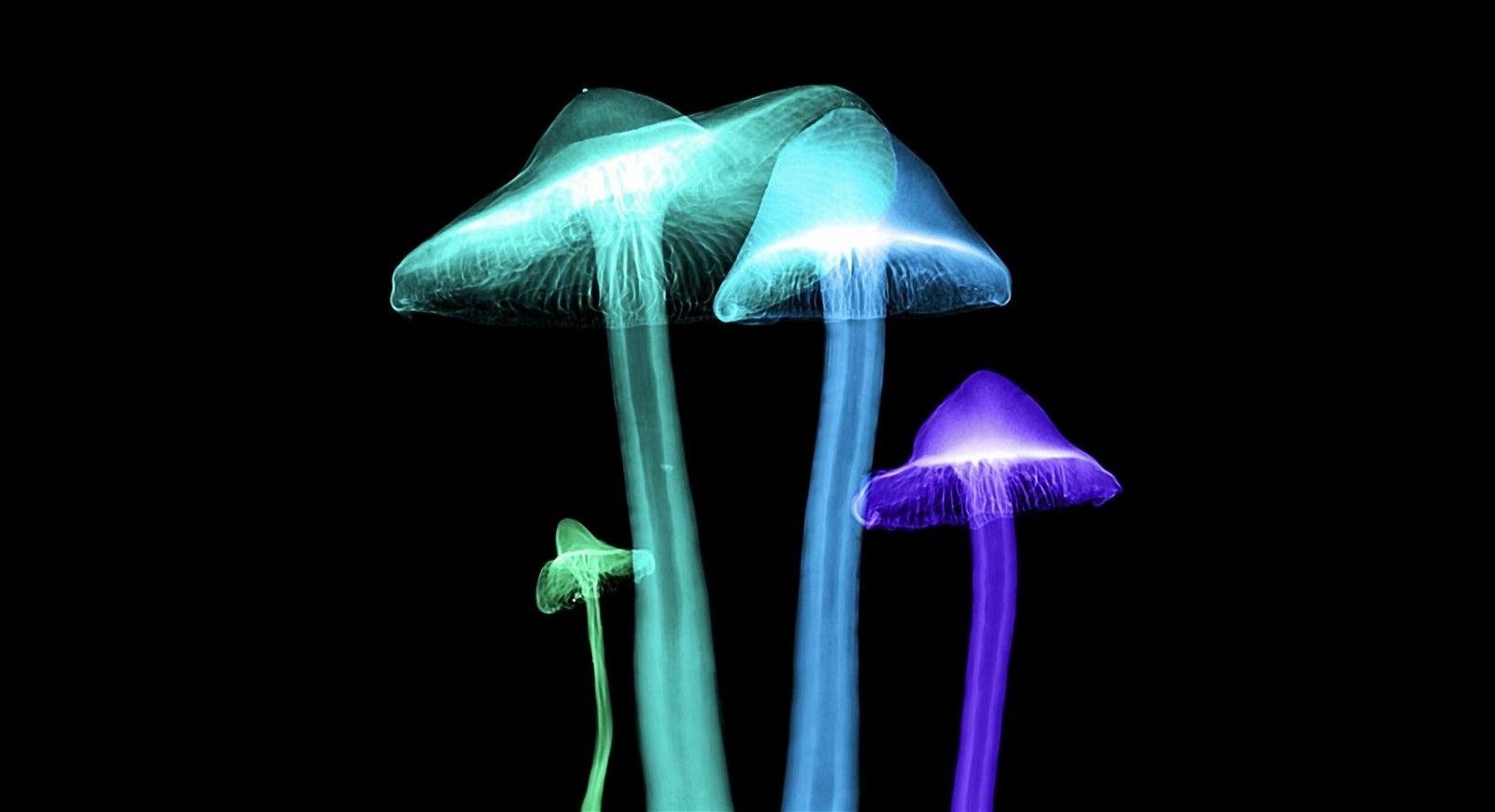
Although psychedelics like LSD, MDMA, and psilocybin, aka ‘Magic’ Mushrooms, are often associated with recreational drug use, a growing body of evidence suggests these mind-altering substances can have profound effects on mental illnesses, including PTSD and treatment-resistant depression. Still, the mechanisms behind the often-short-lived improvements in symptoms have remained elusive, limiting the widespread use of psychedelics for therapeutic purposes.
“Psilocybin and 3,4-methylenedioxymethamphetamine (MDMA) produce rapid clinical effects in patients with PTSD,” the researchers explain in a statement announcing the new study. “However, durable benefits require circuit-level stabilization.”
To further isolate the beneficial mechanisms behind psychedelic therapy, the Gaziantep University team studied the role of myelin in brain repair. According to the team, their finding suggests that myelin could be the missing link that “bridges short-lived psychedelic experience and longer-term maintenance of healthier neural network dynamics.”
“The focus of psychedelic and MDMA research has been the effects of these drugs on neurons and neuroplasticity,” John Krystal, MD, Editor of Biological Psychiatry, explains. “This work has largely ignored a potentially important role for other cell types in the neurobiology of their therapeutic effects.”
Rat Fear Model Experiments Reveal Role of Brain Circuit Repair in Lasting Change
According to Krystal, one category of cells, called oligodendrocytes, “play a number of roles in the brain,” including increasing myelin production. Described as a neuronal protection layer for the brain, myelin plays a crucial role in insulating neurons from stress-induced damage.
Krystal also notes that a subgroup of oligodendrocytes plays a role in glutamate uptake and homeostasis, thereby “protecting the brain from neurotoxicity.”
“Another group of oligodendrocytes is involved in immune and inflammatory functions in the brain,” the editor adds, highlighting the list of critical neuronal protection effects from increased myelin production via the activity of oligodendrocytes.
To test the effects of psychedelics on oligodendrocytes, the research team used a rat model of “contextual fear conditioning,” where the animal has been trained to react with fear to a sound, object, or image. After administering small doses of psilocybin and MDMA, the researchers observed their behavior to quantify anxiety-like behavior and exploration behaviors associated with fear. This included tests to assess the animal’s spatial learning and memory abilities.
According to the team, anxiety-like behaviors were reduced following the administration of the chosen psychedelics. Notably, the team found that this shift coincided with “changes in oligodendrocyte biology and multi-omic (genetic) signatures towards myelin remodeling in the dentate gyrus (part of the hippocampus, the brain’s memory center).” In short, the substances were acting chemically to support myelin repair and rewiring of damaged brain regions, a hallmark of PTSD and treatment-resistant depression.
Improving the Durability of Psychedelic-Associated Circuit Change
While the initial experiments highlighted a compelling correlation, the study’s lead investigator, Dr. Mehmet Bostancıklıoğlu, PhD, Department of Physiology, Gaziantep University Faculty of Medicine, Gaziantep, Turkey, said the team wanted to test whether the improved integrity of myelin was “simply associated with behavioral change,” or if it was a required ingredient.
“We combined the drug interventions with models that either damaged brain insulation (demyelination) or chemically enhanced it (promyelination) to see how these changes affected recovery,” Dr. Bostancıklıoğlu explained.
As hoped, a high-powered microscopic analysis revealed that both psilocybin and MDMA “trigger” physical repair of the brain’s myelin. A genetic analysis yielded the same result, confirming a causal relationship rather than a correlation.

The analysis also revealed a blockade of serotonin receptor 5-HT2A, which prevented both the behavioral and myelin-associated effects observed in the rat model. That result was confirmed when the team dosed the rats with a different drug designed to block the formation of fear memories.
Although the rats treated with anisomycin exhibited decreased short-term anxiety-related behaviors, their myelin remained unrepaired. The researchers said this finding suggests that medical suppression of fear memories is possible. However, the experiments also suggest that a long-term solution to PTSD may require the “structural support” of myelin in circuit repair.
Translating a ‘Transient Window’ Into Longer-Lasting Circuit Change
When discussing the implications of the team’s findings, Krystal said the data suggest that psychedelics may work like ketamine and selective serotonin reuptake inhibitors (SSRIs) by promoting the “recovery from stress-related damage to myelin, contributing to clinical recovery.
Dr. Bostancıklıoğlu agreed, noting that although psychedelics are often talked about as ‘opening a window’ in the mind, their findings support recent work indicating that drugs like MDMA and psilocybin “can acutely loosen entrenched network patterns and then leave a sub-acute period in which experience can reshape circuits.”
“What we show here is that myelin-producing cells may be an underappreciated part of that story—helping translate a transient window into longer-lasting circuit change, at least in a fear-based rat model,” the researcher explained.
The study “MDMA and Psilocybin Regulate Oligodendrocyte-Lineage Cell Numbers and Anxiety-Like Behaviors in a Rat Model of Fear” was published in Biological Psychiatry.
Christopher Plain is a Science Fiction and Fantasy novelist and Head Science Writer at The Debrief. Follow and connect with him on X, learn about his books at plainfiction.com, or email him directly at christopher@thedebrief.org.