Scientists studying an ancient asteroid crater on the Korean Peninsula have uncovered rock formations that may offer clues to the rise of atmospheric oxygen on Earth.
This week in stories from The Debrief, a team of physicists is using light to alter the magnetic nature of matter at room temperature, along with other innovations in science and technology.
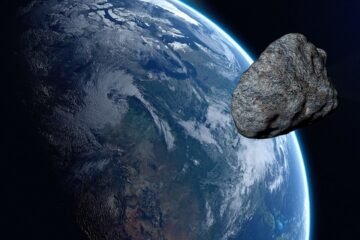
A massive space rock that once made its way onto a space agency's warning list for potentially dangerous objects is scheduled to pass by the Earth this Thursday, September 18, 2025.
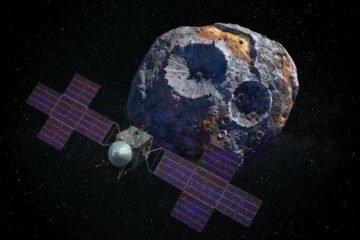
According to China's space agency, the government is preparing to test a direct method of planetary defense by sending a spacecraft to collide with an asteroid.
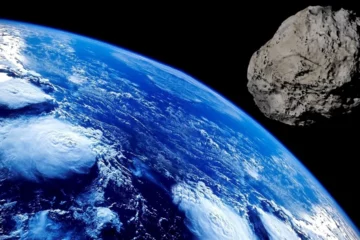
A near-Earth asteroid discovered by astronomers late last year that showed a rising potential for colliding with Earth has been downgraded, according to planetary defense experts.
On today’s episode, a new report from NASA indicates Earth may have a big asteroid problem, astronomers have discovered a novel space object, and scientists out of Tokyo want to search cosmic dust for signs of alien life.
In this International Asteroid Day edition of the Intelligence Brief, we look at what NASA and others are doing to mitigate the threats of potential asteroid impacts in the future.
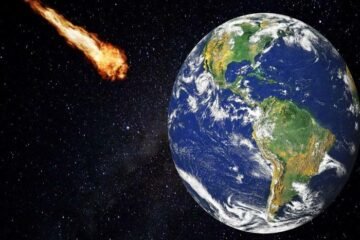
While it seems unlikely our world will end anytime soon with a giant asteroid collision, Netflix's "Don't Look Up" raises relevant questions about asteroids and their place in our galaxy.
A recent study by a team of scientists says that under the right conditions, a nuclear blast actually could be used to save the Earth from an incoming asteroid.