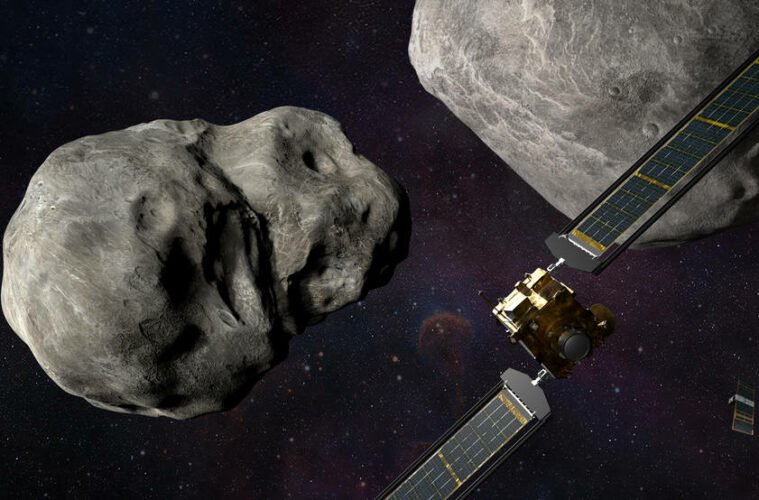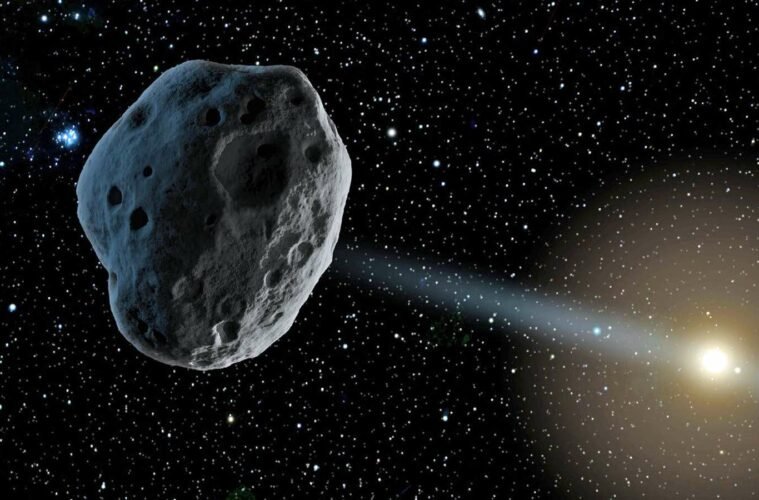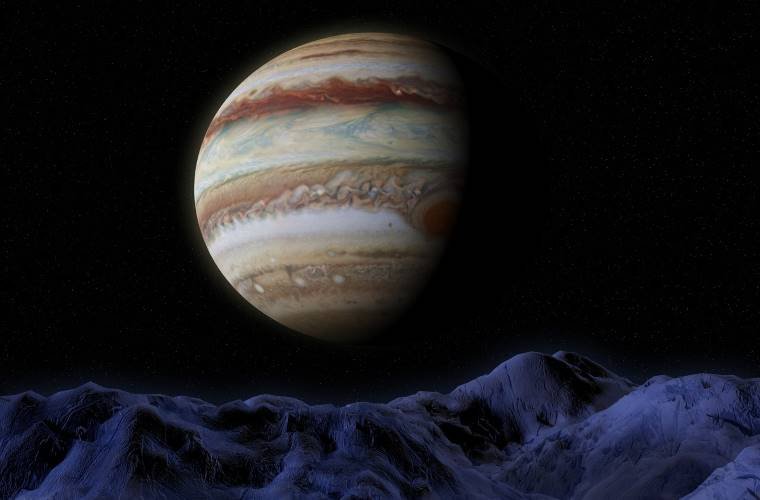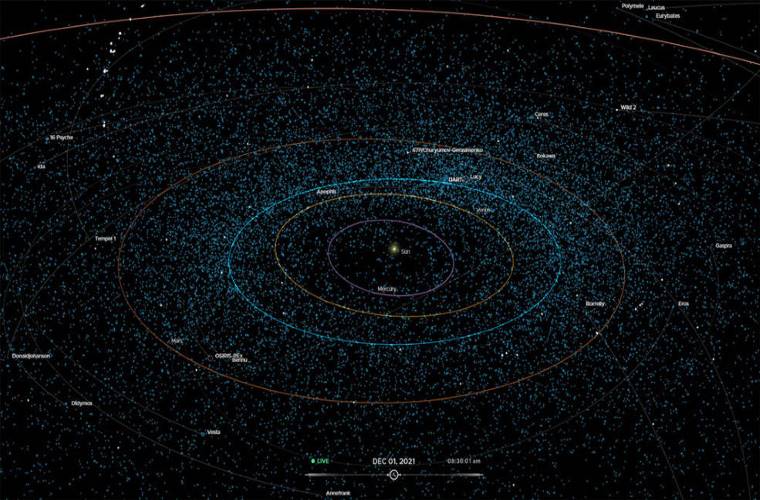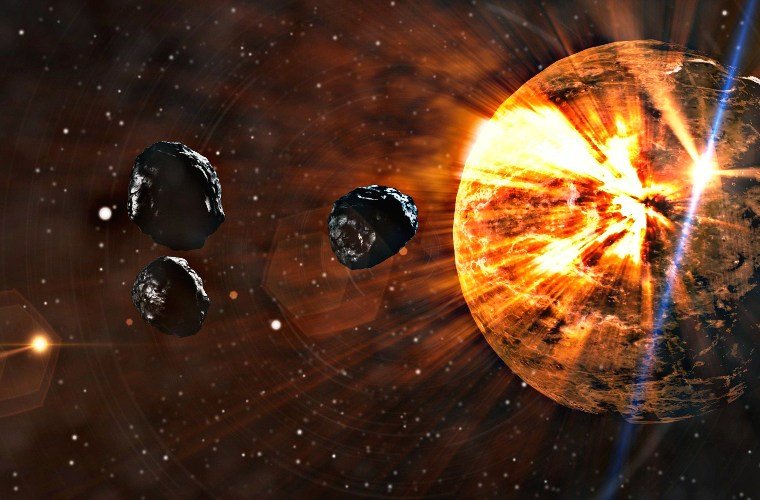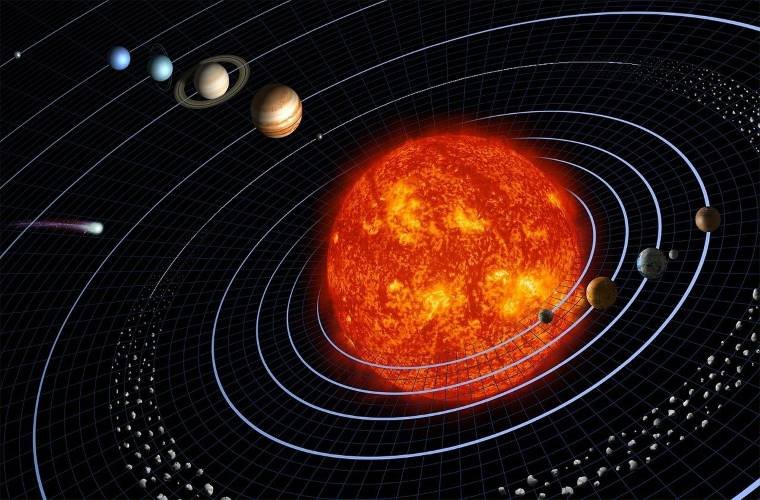
Lurking in orbit around our Sun and sharing a path with Jupiter are the mysterious Trojan asteroid swarms, which astronomers have now trained their sights on for future study.
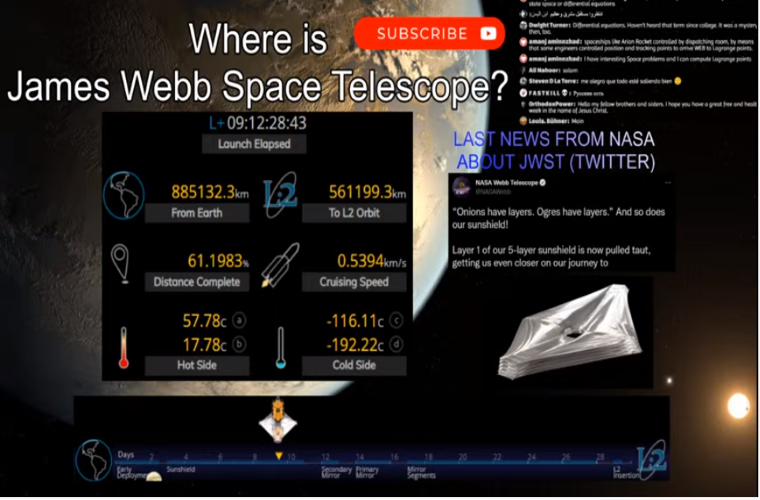
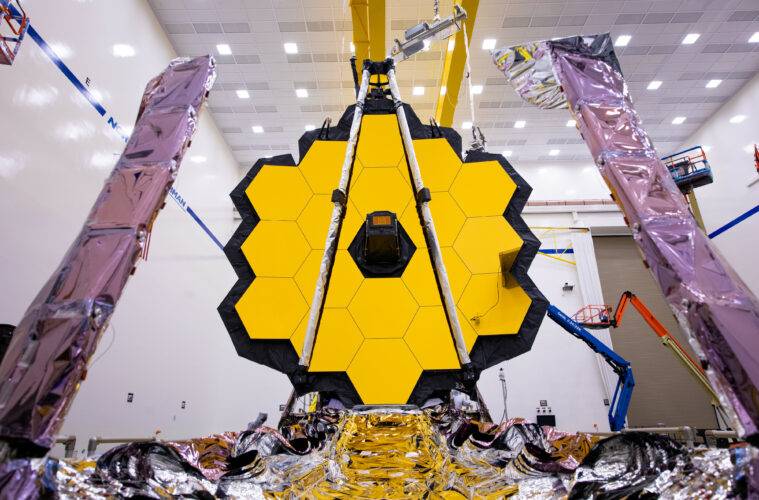
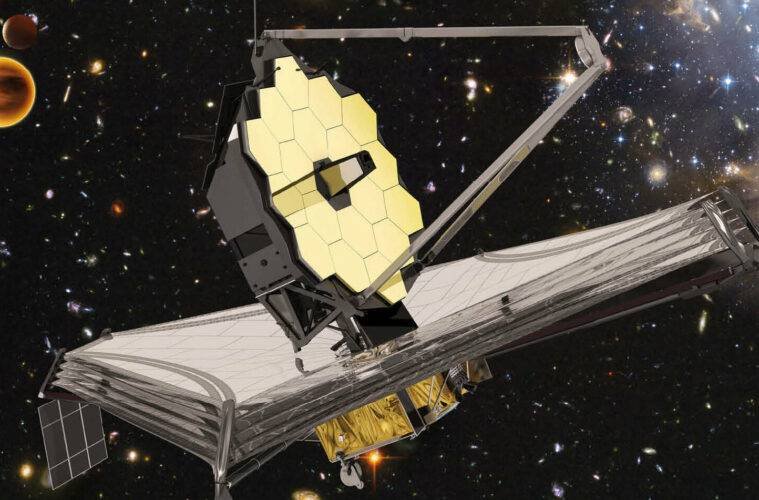
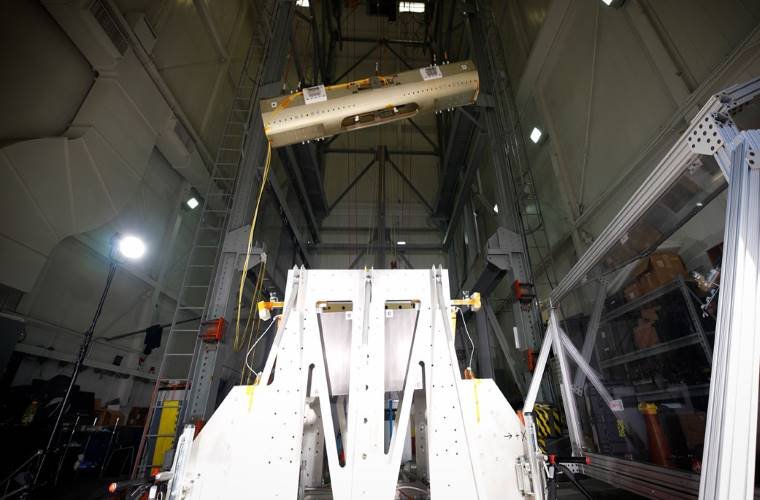
The James Webb Space Telescope, NASA’s eagerly awaited new addition to its telescope array, has successfully completed its final run of tests, according to the space agency.
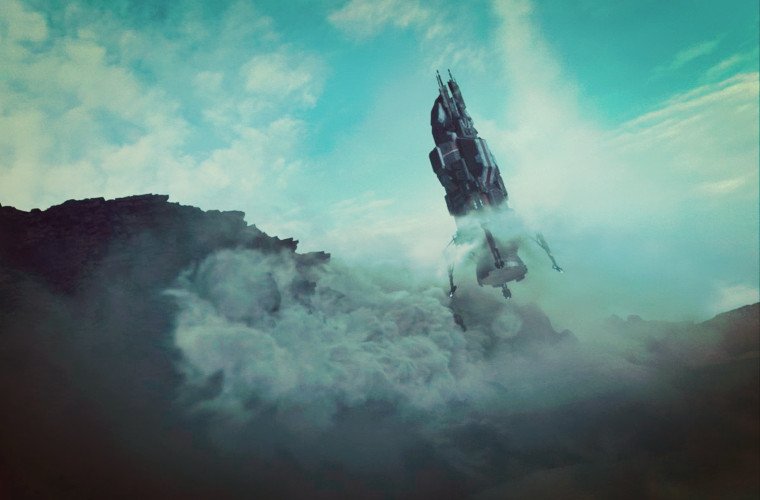
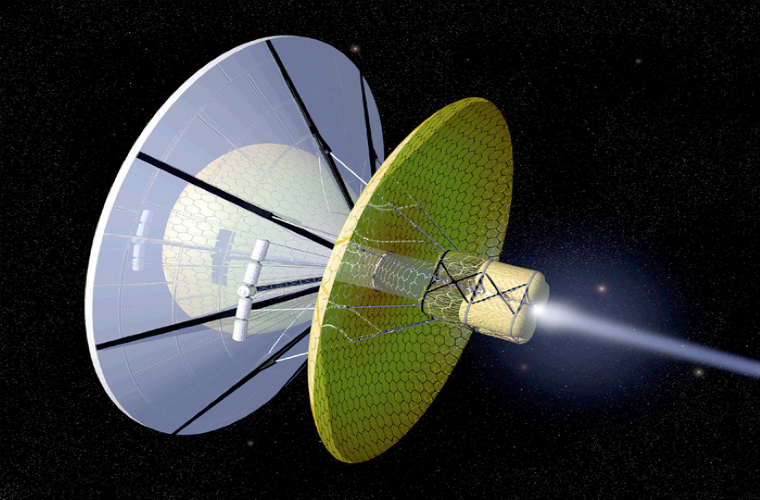
It has been learned in recent days that China’s National Natural Science Foundation (NNSF) is moving forward with plans to study the construction of a massive, several mile-wide spacecraft, beginning with a five year project that will examine the mechanics...
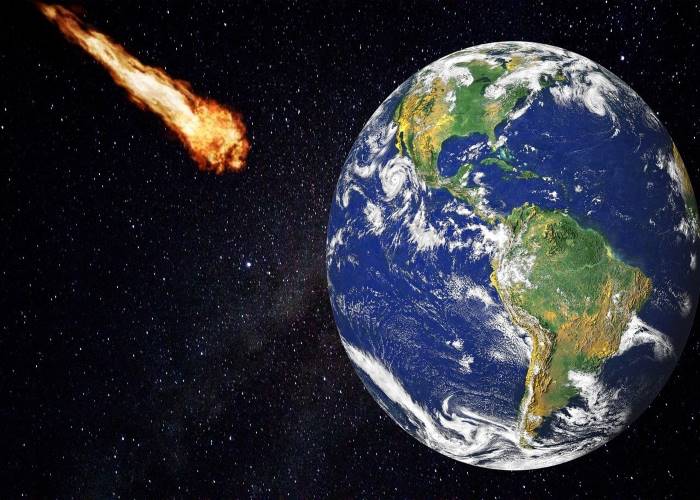
The Popigai crater, a 100-km-wide impact area in Siberia, documents events from long ago that caused one of the greatest periods of change in Earth's long history.
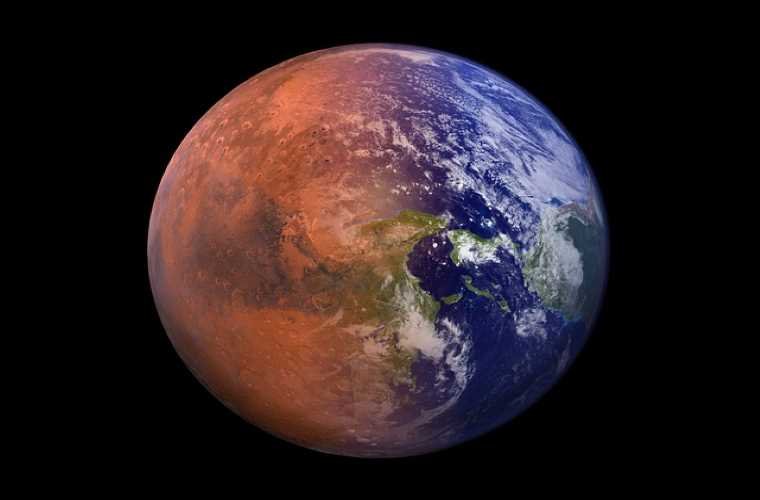
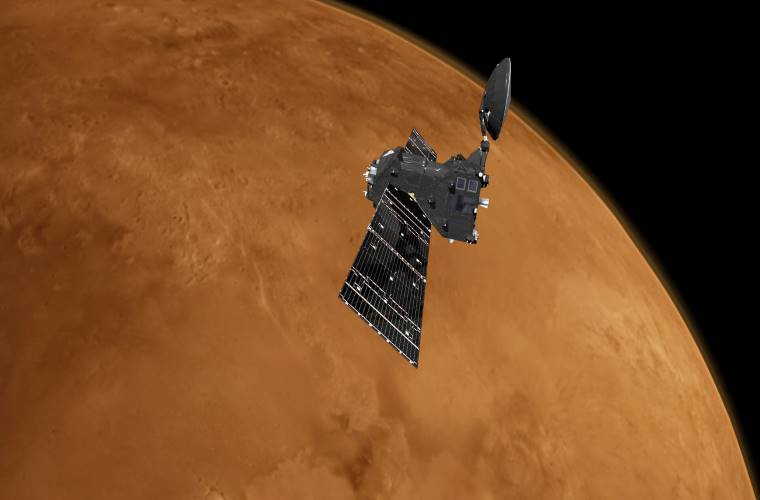
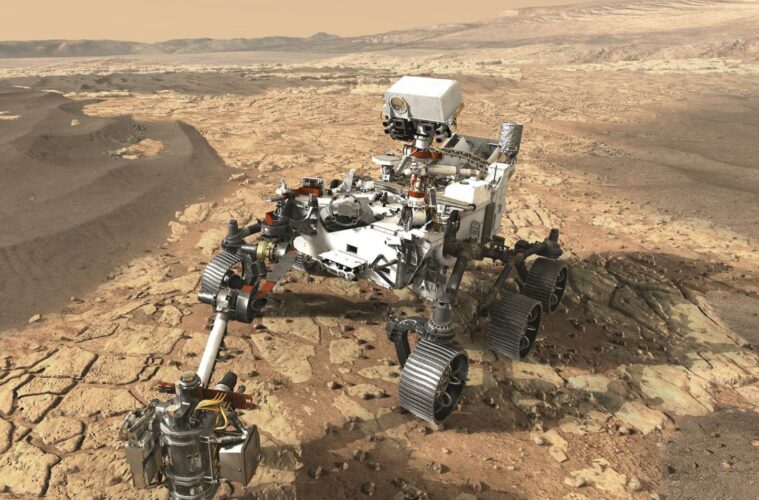
Dr. Ryuki Hyodo explains the MSR and MMX missions, and how their search for past and present signs of life on Mars have the potential to alter the course of human history.
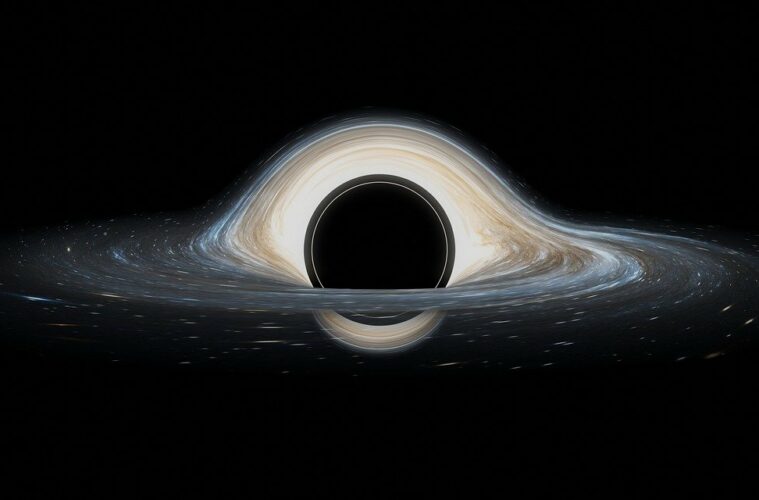
It may be only a matter of time before technology is able to confirm yet another exciting and mysterious aspect of our universe: the potential existence of wormholes.
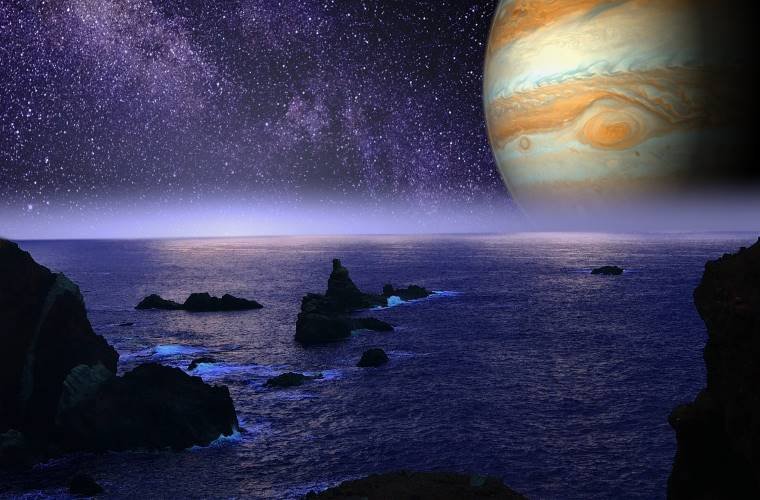
An international team of researchers says they have solved the 40-year enigma of why magnificent bursts of X-ray auroras are released every few minutes on the planet Jupiter.
NASA has announced a pair of winners in its Vascular Tissue Challenge, both of whom succeeded in creating functional human liver tissue using 3D printing technologies.
In a recently published study, theoretical particle physicists from the University of California Riverside propose dark matter might be explained by the existence of a new extra-dimension in space-time. In astrophysics, dark matter is a theoretical form of matter that...
An object identified as orbital debris or "space junk" recently struck the Canadian-operated robotic arm on the International Space Station, according to officials with the Canadian Space Agency.