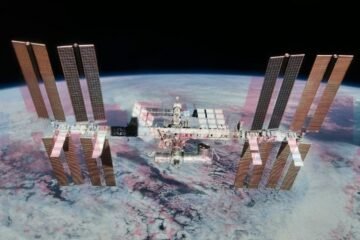
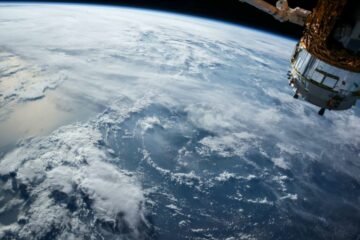
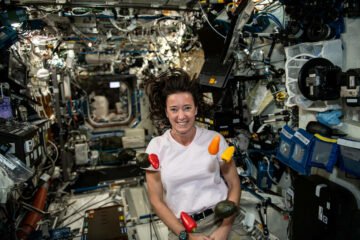
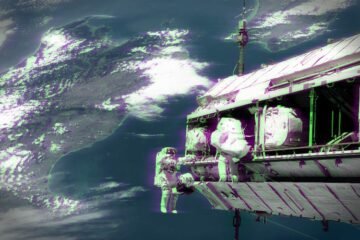
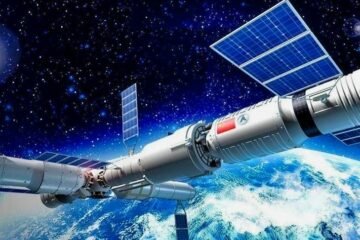
This week, we look at the retirement plans NASA has outlined for the International Space Station, and future space stations it will build with commercial partners.
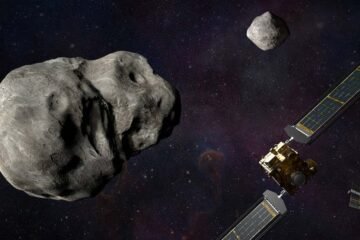
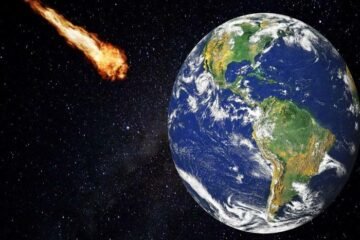
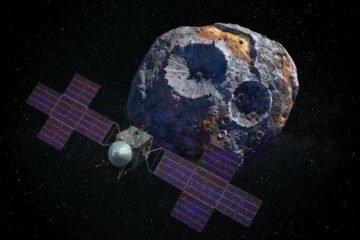
A mission to test technology that may one day be used to defend our planet against potentially deadly asteroids and other near-Earth objects was successfully launched on Wednesday, according to NASA.
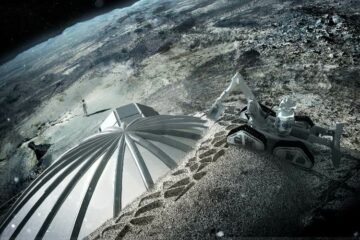
How much oxygen is on the moon, you may ask? A recent analysis indicates that the top layer of rock and dirt, known as regolith, that covers the Moon’s entire surface has more than you probably think.
NASA Administrator Bill Nelson recently spoke with the University of Virginia about defending Earth from asteroids, and pilot reports of encounters with unidentified aerial phenomena.
The ISS lost control recently when a Russian thruster accidentally fired. The Debrief examines the last 5 incidents on the station that put it at risk.
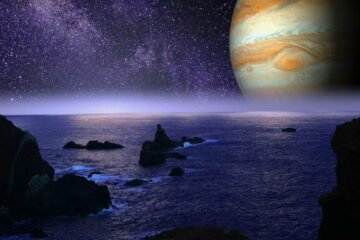
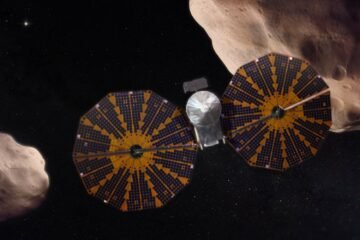
Lurking in orbit around our Sun and sharing a path with Jupiter are the mysterious Trojan asteroid swarms, which astronomers have now trained their sights on for future study.
This week, NASA makes some big announcements outlining its mission in the decades ahead, and talks about part of its core mission: seeking the unknown.
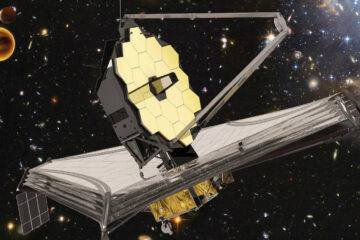
The James Webb Space Telescope, NASA’s eagerly awaited new addition to its telescope array, has successfully completed its final run of tests, according to the space agency.
This week, we examine China's ambitions to build a mile-wide spacecraft, and what leaked emails are telling us about friction within the commercial space industry.
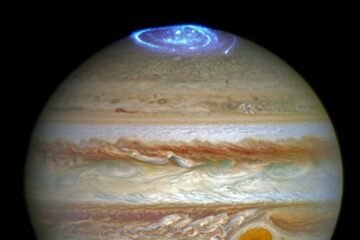
An international team of researchers says they have solved the 40-year enigma of why magnificent bursts of X-ray auroras are released every few minutes on the planet Jupiter.
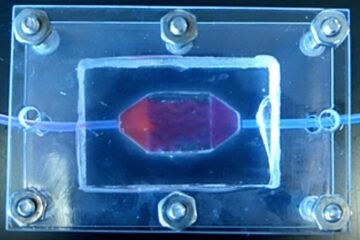
NASA has announced a pair of winners in its Vascular Tissue Challenge, both of whom succeeded in creating functional human liver tissue using 3D printing technologies.