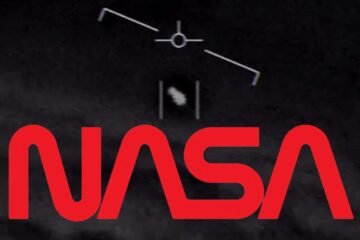
NASA's announcement that it will study unidentified aerial phenomena is a win-win for science, as it follows similar efforts by the DOD and civilian groups like the Galileo Project.
Following the successful touchdown of NASA and Boeing’s new CST-100 Starliner spacecraft, we’ll be looking at what vehicles like Starliner may be able to provide to future orbital operations even beyond the ISS.
With the recent release of the U.S. government’s proposed 2023 budget, this week we look at what President Biden’s proposal will help NASA accomplish in the coming year.
NASA’s Stratospheric Observatory for Infrared Astronomy (SOFIA) is equipped for scanning the South American skies with a reflecting telescope mounted aboard a Boeing 747SP.
This week, we'll be looking at what NASA engineers and technicians had to say recently about the forthcoming rollout of the Artemis I mission's space launch system.
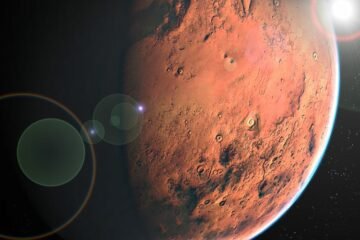
This week we look at what recent findings suggest about the possible existence of life on ancient Mars, and why the question of biology shouldn’t be ruled out.
The James Webb Space Telescope will soon begin its long-anticipated mission of peering more deeply into the history of space than any telescope has ever done.
This week, we look at what a newly released report says about NASA and how it can optimize its efforts toward human space exploration in the years ahead.
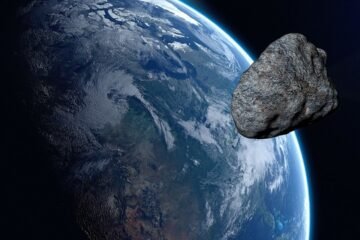
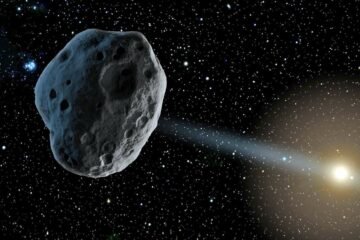
While it seems unlikely our world will end anytime soon with a giant asteroid collision, Netflix's "Don't Look Up" raises relevant questions about asteroids and their place in our galaxy.