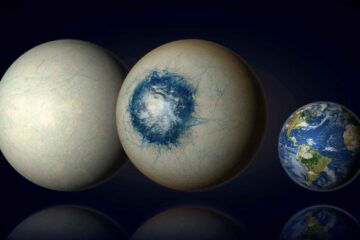
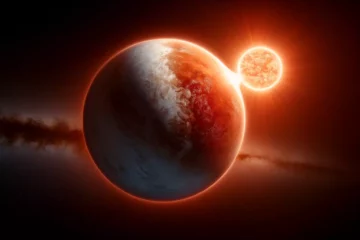
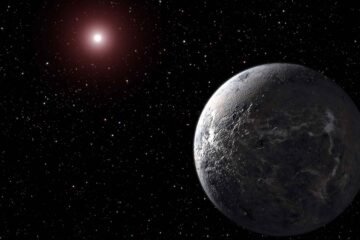
Researchers have discovered a potentially habitable exoplanet just 25 light-years from Earth—but is its precarious location on the cosmic shore too dangerous for extraterrestrial life?
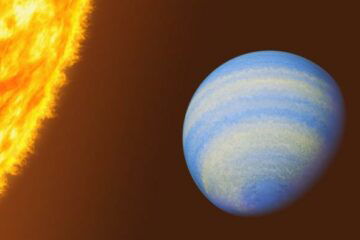
For the first time, astronomers have distinguished between the morning and evening atmospheres of a single planet, revealing two remarkably different environments at its edges.
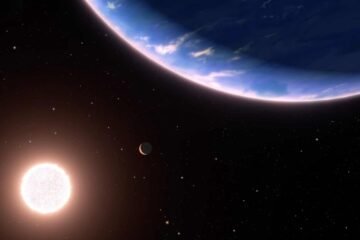
A trio of newly discovered exoplanets is defying the expectation that binary systems are hostile to planet formation, according to an international team of researchers.
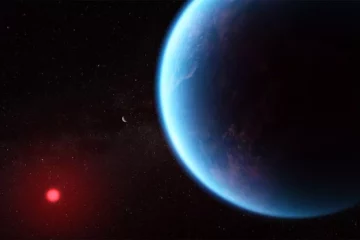
For the first time, astronomers have used NASA's James Webb Space Telescope to peer through the thick haze of a sub-Neptune planet’s atmosphere, offering new clues about one of the universe’s most mysterious and common types of worlds.
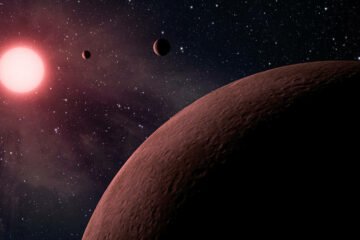
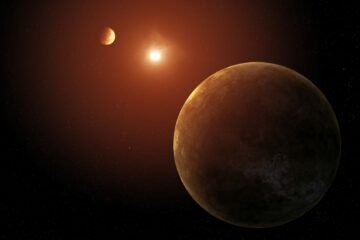
Scientists report the discovery of a system of scorching hot planets, revealed in new findings from data collected by NASA’s retired Kepler space telescope.